Housings and cover plates
Cover seats, mounting bores and connector openings need to line up in the assembly. Mark sealing faces, locating datums and any surfaces that must remain free of coating.
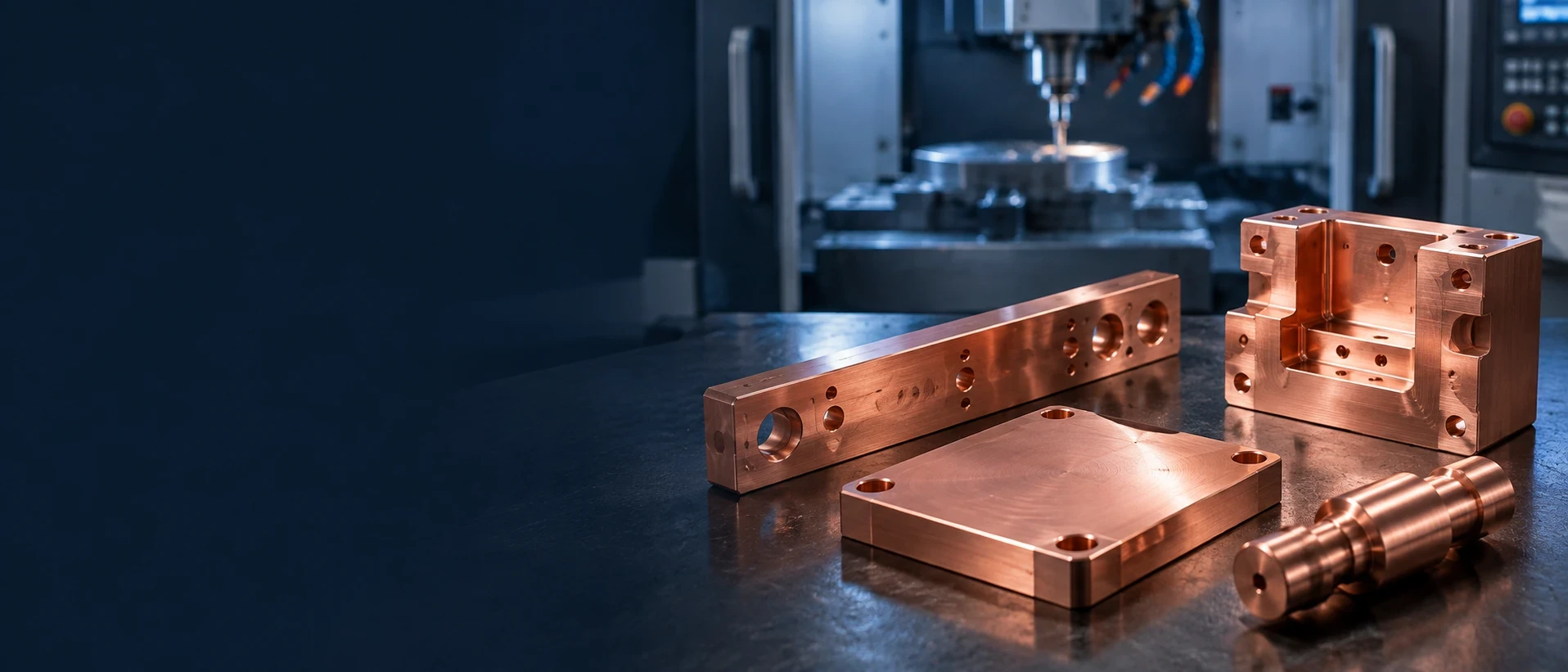
Cover seats, mounting bores and connector openings need to line up in the assembly. Mark sealing faces, locating datums and any surfaces that must remain free of coating.
Show how the bracket locates against the mating parts. Include hole position, slots, threads and any flatness requirement on the mounting face.
Specify each mating diameter and the reference axis. Include shoulder locations, grooves, cross-holes and the final condition in which fits will be inspected.
Identify the contact area, material grade and any plating or masking. State the electrical or thermal requirements separately from the dimensional drawing.
Name the exact polymer grade and the mating part. Include operating conditions and the measurement condition for a fit-sensitive guide, bushing or spacer.
Show what the fixture holds, positions or measures. Define locating points, replaceable wear details and the check used to accept the finished tool.
Geometry examples only—not inventory, customer projects or evidence of program approval. Your released drawing defines the part to be reviewed.
Use the first parts to check the design, fit or assembly. Identify features that need to match production intent and any temporary deviations that your team has accepted.
Name the build purpose and the tests your team will run. Set sample quantities, inspection records and the decisions needed before a production release.
Provide the released revision, forecast, order quantities and delivery schedule. Agree the production site, approval requirements and change-notification process.
Define the tool’s locating, clamping or measurement function. Tool acceptance needs to be agreed separately from approval of the components made or tested with it.
Identify whether this is a controlled-program component, a development part or equipment used in manufacturing. Flag controlled or critical functions and customer-designated critical characteristics in the drawing review.
Grade, temper and product form
For an aluminum part, specify the alloy and supplied condition together. Note any anodizing, conversion coating, sealing face or threaded insert requirement before the machining review.
Aluminum CNC machining →Material condition and final hardness
Shafts, sleeves and wear interfaces need their final condition defined. State heat treatment, hardness and whether dimensions are accepted before or after treatment.
Steel CNC machining →Contact function and coating system
Provide the exact grade, any conductivity requirement, the contact geometry and a complete plating specification. A material name alone does not define electrical performance.
Copper CNC machining →Exact polymer grade and service conditions
Specify POM, nylon, PEEK or another agreed material by grade. Include fillers, working conditions, mating parts and inspection conditions where dimensions are sensitive to use.
Plastic CNC machining →Keep the material specification, drawing and purchasing requirements consistent. Substitutions need your written approval; examples on this page are not a stock list.
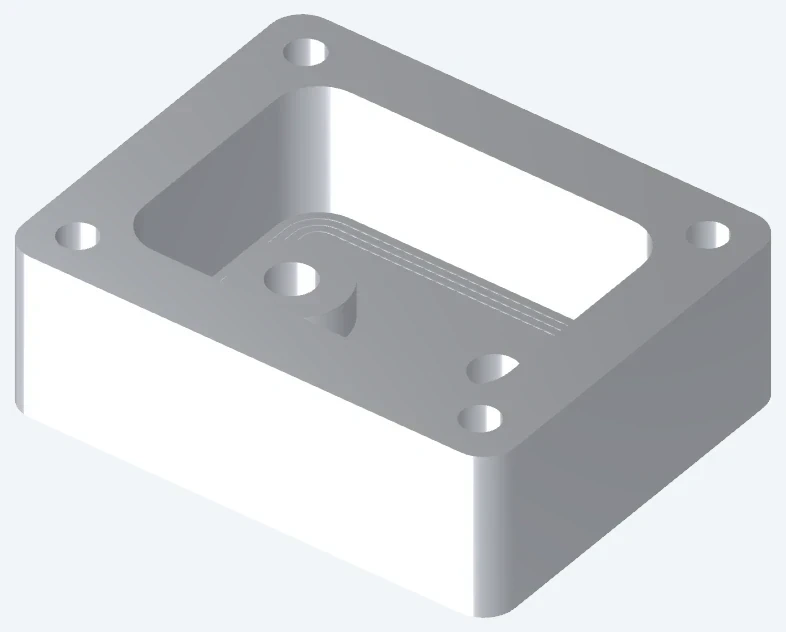
Identify the reference axis, each fit and the condition in which it is measured. Do not leave a bearing seat or press fit to an unqualified general tolerance.
Mark the functional surfaces and complete groove dimensions. Define burr limits and cleaning or leak-test requirements where they form part of acceptance.
Show the assembly datums and the positional relationship between features. Include the controlling drawing standard and any customer-specific symbols or notes.
Identify the surfaces measured after heat treatment or coating. Agree allowances and masking before release rather than adjusting a finished fit without approval.
Include size, pitch, class, usable depth and the referenced thread system. Note cross-holes, wrench flats and other secondary features that affect access.
Point to each designated characteristic on the drawing. Provide its inspection method, frequency and reporting requirements, or flag it for agreement.
Pockets, mounting faces, slots and hole patterns are reviewed together with their datums and workholding requirements.
CNC milling →Round features, shoulders and internal bores need a defined reference axis and final material condition. Flats and cross-holes are reviewed as additional operations.
CNC turning →Angled features and multi-face relationships may call for indexed or simultaneous machining. The process is selected after reviewing geometry, access and inspection.
5-axis CNC machining →
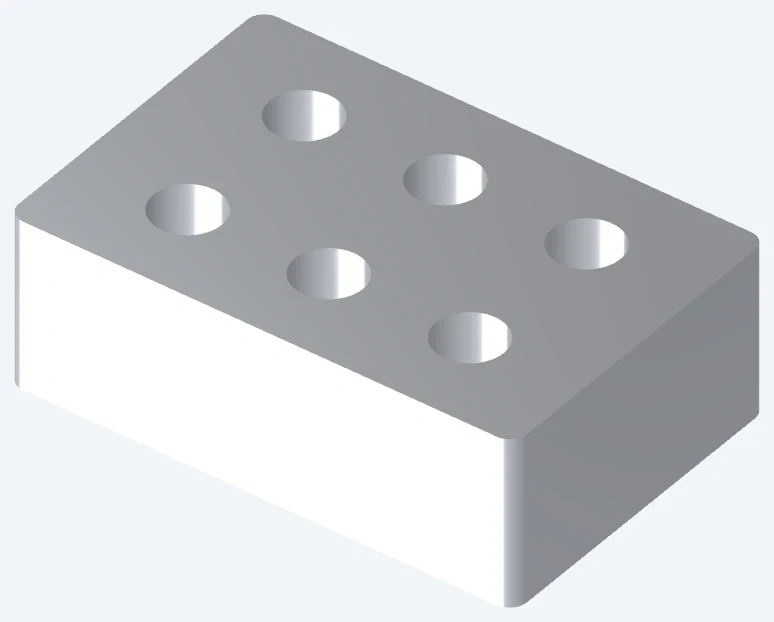
Specify the required treatment, final condition and processing sequence. Name any approved processor or verification requirement that is part of your purchasing specification.
Identify surfaces where plating, paint or anodizing is required, limited or prohibited. Discuss coating thickness and the final dimensions of threads and mating features.
State measurable cleanliness criteria where required. Set protection for bores, threads and sealing faces, with packaging and labels that preserve the identity of each batch.
| Record | What to request | What to agree |
|---|---|---|
| Material and lot identity | Material specification, heat or lot reference and traceability records | Which records accompany each delivery and which are retained. |
| Dimensions and critical characteristics | Drawing-linked results, measuring method and agreed sample plan | Features, datums, final condition, sampling and report format. |
| Process and measurement studies | Control plan, measurement-system and capability evidence where requested | Applicable methods, acceptance criteria and responsible parties. |
| Heat treatment and surface processing | Relevant treatment records, final-condition checks and processor information | Required specifications, approved sources and verification scope. |
| Part approval submission | The customer’s required customer approval package or other part-approval package | Submission scope, level if applicable, production conditions and approval contact. |
| Material reporting | material declaration or other customer-requested material declarations | Part and revision, material inputs, reporting responsibility and recipient. |
Send any required certification, customer approval or audit criteria with the inquiry. Confirm what the proposed manufacturing site and its processors can actually support before release.
No customer-required quality certification certification, customer approval or approved customer approval package status is claimed on this page.
Record the drawing revision, material, process requirements and intended build.
Compare samples and records with the agreed acceptance criteria; record any deviations.
Obtain the customer’s decision before moving into the next agreed supply stage.
Keep part number, revision, lot reference and shipment records linked.
Provide prototype, pilot and production quantities separately. An annual forecast helps planning, while purchase releases define the quantities and dates that are actually agreed for supply.
Define who approves changes to the drawing, material, manufacturing site, tooling or processing route. State whether new samples, inspection or approval records are required before a changed batch is shipped.
Deep features, several setups, special material conditions and secondary operations can change the work required. Quote the released drawing rather than a similar-looking sample.
Ask for separate prototype and production quantities. Repeat demand may justify different workholding or process planning, but cost and capacity must be confirmed for the specific order.
Define the records, testing, sample stages and packaging required in the quotation. This makes prices easier to compare without leaving essential work outside the scope.
“My father built relationships through exhibitions and returning customers. After ten years in CNC, I want new customers to be able to understand the work and the people behind it before making a long trip.”
Kevin · vetcnc
Read our family’s manufacturing story →We have multiple factories in China and a wider network of manufacturing partners. The arrangement should fit your part—not force your project into a process that is not suitable.
For an defense-related inquiry, agree the proposed production site, processors, records and responsibilities before placing the order. A partner’s capability or approval should not be assumed to cover every site.
Before sending export-controlled, classified, restricted or otherwise sensitive technical data, confirm the permitted transfer method, recipient, manufacturing location and any customer or government restrictions that apply. vetcnc should only receive information it is authorized and equipped to handle.
This page describes a supplier-review workflow for lawful CNC manufacturing. It does not claim program approval, security clearance, export authorization or eligibility for any controlled contract.
Send the current drawing and identify what is still changing. We can review an inquiry with open points, but material, geometry, acceptance criteria and any permitted deviations need to be agreed before machining starts.
Provide the released drawing, material specification, order quantities and customer approval requirements. Agree the manufacturing site, inspection plan, packaging, traceability and change-control process for repeat supply.
This page does not claim customer-required quality certification certification or approved customer approval package status. Send your required certification scope and customer requirements so the proposed manufacturing site and approval route can be verified before an order.
Yes, identify it as a requirement for review and provide your required scope, level if applicable, forms and approval contact. Document availability, responsibilities, timing and any associated cost must be agreed; checking a box does not confirm a completed or approved submission.
Use the inquiry to describe the component’s mechanical, electrical or thermal function, not only the program application. Include material, contact surfaces, insulation interfaces, coating exclusions and the relevant validation or acceptance requirements.
Tolerances are confirmed for the actual drawing, material, geometry and final condition. Identify critical fits, datums and critical characteristics. No blanket tolerance on this page overrides a drawing review.
Discuss the release schedule and lot-identification rules at quotation. State how partial deliveries, retained samples, records and revision changes are managed, and who is authorized to release a changed batch.
Provide the 3D model and controlled drawing, material and final condition, quantities by build stage, target dates, finishing, inspection and approval requirements. Include the part’s intended use and highlight any unanswered design questions.
Yes. We can discuss an introduction or a coordinated partner arrangement. You should know who will manufacture and process the parts, who is responsible for the records, and which approvals need to be verified.
This brief records requirements, not a price, capacity commitment or program approval. Entries stay in this page until a configured submission is made.
References explain terminology; they do not certify vetcnc or approve any component. Scope, specifications, capacity, material availability, processing, records and price require written review. No certification logos, customer approvals or numerical performance guarantees are presented.