Equipment housings and cover frames
Milled pockets, connector openings and cover seats need to match the assembly. Identify locating datums, inserts and faces that must remain free of coating.

Milled pockets, connector openings and cover seats need to match the assembly. Identify locating datums, inserts and faces that must remain free of coating.
Show the reference surface, locating holes and adjustment range. Include the relationship between the mounted instrument and the rest of the equipment.
Define what the tool holds or checks. Include replaceable details, part-contact points and the method used to verify the completed fixture.
Identify every connected passage and the surfaces exposed to the process. Provide cleaning, sealing and any pressure or leak-test requirements before the machining review.
Mark the working contact area, mounting pattern and material condition. Specify flatness, finish and any coating or masking separately from thermal performance requirements.
Provide the mating dimensions and reference axis. State how the part is assembled, which faces locate it and the final condition in which it will be measured.
No matching examples. Try a different term or choose All Parts.
For brackets, covers and support hardware, identify the mounting interfaces and normal operating environment. Define any cleanliness, grounding or handling requirements rather than assuming they do not apply.
Show what the part locates, guides or measures. Identify any wafer-facing or workpiece-contact surface and provide the associated contact, wear or contamination criteria.
Include the environment and the specification that controls material, surface processing and final cleaning. These requirements need a separate capability and acceptance review before an order is accepted.
State the test or assembly task and how the tool will be accepted. A successful development fixture does not, on its own, qualify the same material or process for production equipment.
Select all that apply. A component can have a structural role and still include a surface exposed to vacuum, a process medium or the workpiece. The drawing should identify the exact areas.
Alloy, temper and surface specification
Name the alloy, temper and stock form shown on the drawing. Specify which faces are coated or masked, the required finish and the condition in which dimensions are inspected.
Aluminum CNC machining →Exact grade, condition and finishing route
Keep the material designation consistent across the model, drawing and purchase requirements. Where passivation or electropolishing is specified, define the processor, areas and acceptance evidence.
Stainless steel CNC machining →Manufacturer, grade, filler and service conditions
Specify PEEK, POM or another agreed polymer by its exact grade. State any electrical, cleanliness or vacuum qualification requirement; material appearance and a generic polymer name are not evidence of compliance.
Engineering plastic machining →Grade, functional faces and coating system
Define the contact geometry and any coating thickness or masking. Tell us the required thermal or electrical checks and who will perform them; these are separate from a dimensional report.
Copper CNC machining →Your specified grade and condition take priority. Alternative materials or processors are proposed for approval, not substituted without agreement.
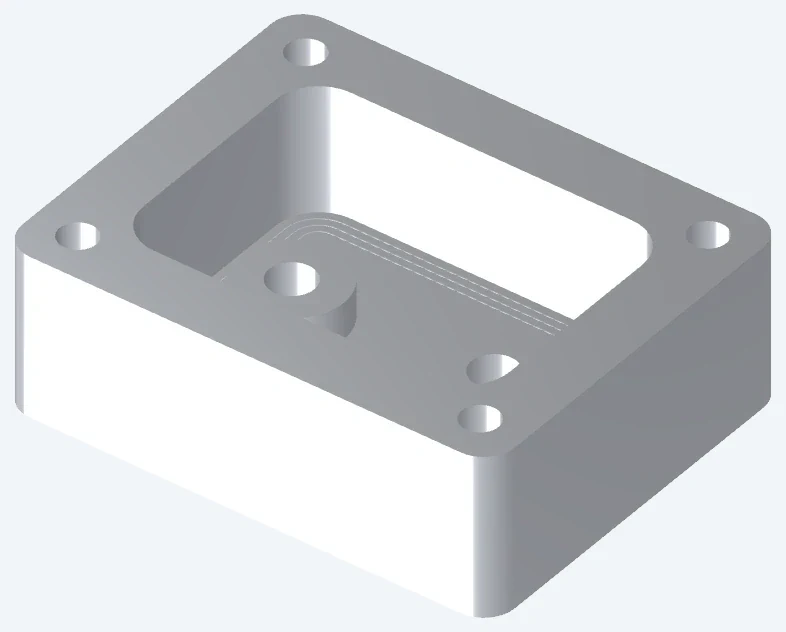
Identify the mating surface, hole pattern and reference features. Give the drawing standard and the conditions under which position and flatness are checked.
Provide the complete geometry, finish and scratch criteria. Separate dimensions from the seal or leak performance that will be verified on the agreed test setup.
Identify cross-drilled intersections, inaccessible areas and surfaces with special residue or edge requirements. Discuss inspection and cleaning access before release.
Mark contact, bonding or masked areas directly on the drawing. Define the finished condition so coating and cleaning instructions do not conflict with the fit.
State whether fits, flatness, surface texture and coating boundaries are inspected after all specified processing. Agree any measurement or fixturing condition that affects the result.
Vacuum performance can be affected by gas released from materials and trapped volumes. Supply the relevant design and verification requirements rather than treating a clean-looking surface as sufficient.[2]
Specify thread system, usable depth and required edge treatment. Call out intersections where a burr, loose edge or trapped chip would be unacceptable; avoid a vague “deburr all” note for critical areas.
Pockets, slots, mounting patterns and locating faces are reviewed with workholding, distortion and inspection access in mind.
CNC milling →Provide the reference axis, mating diameters and final material condition. Flats, cross-holes and other additional features are included in the process review.
CNC turning →Indexed or simultaneous machining may be considered when the geometry requires it. The route follows tool access, setup relationships and the approved inspection plan.
5-axis machining →
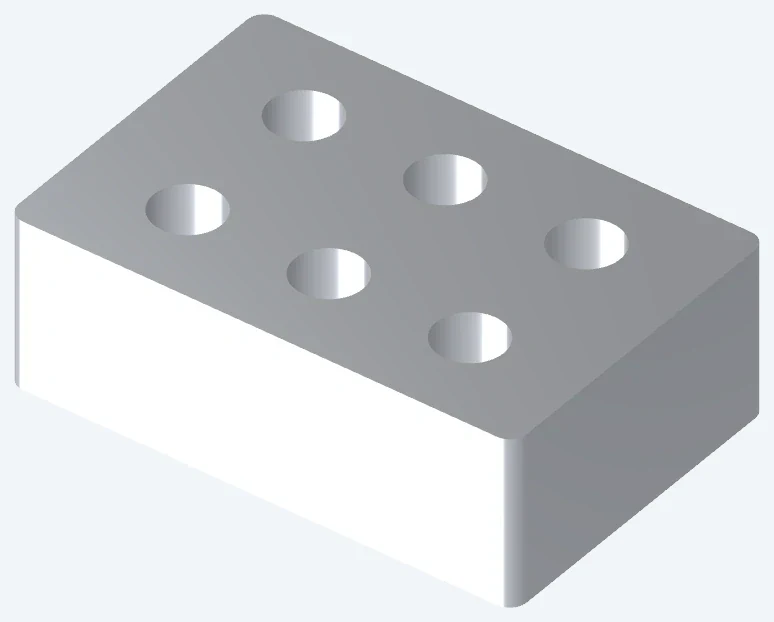
Include specification and revision, permitted processor, treated areas, masking, thickness and the checks required on the finished component. “Anodized” or “passivated” alone leaves important details unresolved.
A visually uniform surface does not answer every functional question. Identify working contact areas, sealing surfaces and any electrical or contamination requirement that needs its own test or report.
Confirm when cleaning, surface processing, final dimensional inspection and protective packing occur. Agree who may handle or reopen the part after the final accepted step.
Particles, metals and organic contaminants are distinct concerns in semiconductor manufacturing.[1] For your component, identify the relevant surfaces, test method, limits, sample plan and required report. Do not replace a measurable requirement with “semiconductor clean.”
State whether the order stops at machined parts for downstream processing or includes a customer-approved final cleaning and packing route. Agree the processor, records and point at which custody changes.
A dimensional inspection does not establish leak rate, outgassing, electrical resistance or electrostatic-discharge behavior. Specify the test and acceptance conditions when one of these properties is required.[2]
A selection records your requested scope. It is not confirmation of a cleanroom, process qualification or approved supply route.
Complete the delivery requirements →| Requirement | Information to provide | What to agree |
|---|---|---|
| Material and lot identity | Specified grade, condition, supplier and heat or batch reference. | Records linked to part number, revision and delivery lot. |
| Dimensions and surface texture | Drawing-linked results for datums, critical fits, surface finish and final state. | Method, measurement condition, sample plan and report format. |
| Cleaning and contamination | The customer’s test method, surfaces, limits and process specification. | Who performs the work, what is sampled and which evidence is supplied. |
| Coating or surface processing | Processor information, treatment specification and applicable verification results. | Permitted source, masked areas, acceptance stage and retained records. |
| Vacuum or electrical requirements | Leak, outgassing or electrical testing only where the order defines it. | Test fixture, conditions, limits and responsible laboratory or supplier. |
| Packing and release | Part identification, protection, packaging specification and release documentation. | Packing location, label content, permitted materials and receiving checks. |
Record the part number, revision, materials and requirements for the initial build.
Compare the agreed sample and evidence with your acceptance plan; resolve deviations in writing.
Confirm the customer’s release decision before the agreed next batch or process.
Link material, processing, inspection and packing records to the delivered parts.
Provide the permitted packaging materials, labels and separation of parts. Keep records accessible without requiring uncontrolled handling of the functional surfaces.
Agree notification and approval for drawing, stock, processor or cleaning-route changes. A reorder should refer to the released revision, not only a photograph of the previous part.
External size, removed volume, access to internal features and the specified stock condition belong in the same quote review. Include critical dimensions and finish requirements, not just a 3D model.
An agreed specialist processor, inspection report, cleanliness check or custom packing method can change the scope. Ask for these items to be identified rather than comparing machining prices alone.
Separate the first sample order from repeat-batch quantities. State the review milestones, required dates and whether any downstream processing is performed by your own suppliers.
“My family has worked in manufacturing since my father’s generation, and I have spent ten years in CNC. Bringing the business online is about giving you a clearer view of the people, factories and decisions behind your parts.”
We have factories in China and a wider circle of manufacturing partners. The first conversation should establish what your drawing requires and which site or specialist can support it—not assume that every requirement belongs in the same factory.
This service concerns machined metal and engineering-plastic equipment components, development parts and fixtures. It is not a wafer-fabrication, chip-design or complete semiconductor process-tool service.
No. They are geometry examples, not stock products or evidence of customer approval. Your drawing, material specification and intended use define the component for review.
Send the relevant environment, material, surface and verification requirements first. We will discuss whether the manufacturing and downstream processing scope can be supported before accepting the order. No vacuum or process qualification is implied by this page.
Include the controlled 2D drawing, revision, material and condition, critical features, finish and masking notes, cleaning or packing specifications, quantities and required evidence. Identify any customer-approved processor or supplier condition.
No. Surface texture and residue acceptance answer different questions. Define the cleanliness criteria and test method separately from dimensional and surface-finish requirements.
Yes, that is a supply scope to discuss. State the delivery condition expected before downstream cleaning, allowed packaging, responsibilities and handoff location. The quotation should identify where our work ends.
No such approval is implied by the material name. Provide the exact grade, intended contact, service conditions and any qualification or electrical test requirements for review.
Mark the surfaces accepted in the final condition and provide the applicable tolerances and test method. Agree processing allowances, masking and the inspection sequence before release.
Discuss the required material, traceability, dimensional, finishing, cleaning and packing records at quotation. Availability, content, retention and who produces each record need to be agreed for the specific order.
We can discuss a suitable partner, a coordinated arrangement, or a direct introduction. The required processor qualification and your approval still need to be confirmed; a referral does not replace them.
Yes. Identify the design revision, evaluation purpose and known open requirements. Separate temporary prototype deviations from the requirements for a later production-equipment part.
No blanket value is stated on this page. Geometry, material, processing, inspection and approval requirements are reviewed before an agreed capability, delivery scope and schedule are confirmed.
This tool organizes requirements only. It does not calculate tolerances, certify cleanliness or determine process suitability.
Share only files you are authorized to disclose. Agree confidentiality and the transfer channel before sending sensitive information.
These sources support general terminology, not vetcnc certification, supplier approval or a business relationship with the named companies. The project guidance on this page is a quotation checklist; your approved drawing and purchase requirements govern the order.