Housings and enclosures
Check internal clearances, connector openings and the mounting arrangement with the parts that go inside. Include cosmetic surfaces in the sample review when appearance is part of acceptance.
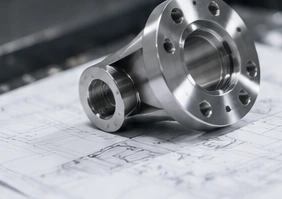
Start with the question the sample needs to answer. It may be a fit check, a mounting trial or a functional test. Send the model, matching drawing and the number of samples needed for that work.
CNC-machined parts can be used for functional prototyping as well as end-use production. The test plan determines whether this particular sample is representative. [1]
Use a pilot run when you need to assess the proposed production arrangement, not just the design of one sample. Agree what the trial should cover and what must be approved before releasing the next batch.
A successful prototype is not, on its own, approval to change the quantity, process or delivery commitment.
Once the order is ready for production, identify exactly which files and requirements apply. Request the quantities you need and separate a confirmed order from a forecast for later releases.
Batch size, capacity, cost and lead time are reviewed for the actual part. There is no blanket production-volume promise on this page.
For a repeat order, send the part number and revision again rather than relying on a previous email thread. State whether the drawing, material, finish, quantity or required delivery has changed.
Discuss fixture retention and record availability before the first order when future releases are part of the plan.
Check internal clearances, connector openings and the mounting arrangement with the parts that go inside. Include cosmetic surfaces in the sample review when appearance is part of acceptance.
Use the sample to check hole alignment, installation access and the space around the assembly. Mark the interfaces that must stay fixed as the design develops.
Evaluate the bearing seats, shoulders and mating features called out on the drawing. Define the inspection and functional checks rather than treating a smooth appearance as evidence of fit.
Confirm the bore, outside diameter and installation method. State whether the sample will be tested before or after the specified coating or treatment.
Trial the locating faces, hole pattern and access for the intended fixture. Include the mating components or fixture drawing so the purpose of each locating feature is clear.
Check the bore, bolt pattern and mating face against the assembly. Any sealing, rotation or load test needs its own agreed conditions and acceptance criteria.
| Item to confirm | During sample review | Before the production order |
|---|---|---|
| Drawing revision | Use a part number and matching revision on the CAD model and drawing. | Identify the approved revision on the order; resolve any conflicting files. |
| Material and condition | State the grade and any allowed substitute for this test. | Confirm the intended production grade and condition; flag differences from the sample. |
| Critical features | Mark the fits, datums and interfaces the sample must demonstrate. | Agree the tolerances, inspection method and records for the batch. |
| Finish and appearance | Specify the sample finish and the areas included in the review. | Confirm the final finish, masking, cosmetic criteria and inspection condition. |
| Release and delivery | Identify who reviews the sample and what their approval covers. | Agree the release point, quantity, delivery stages and handling requirements. |
Specify the alloy and condition, not just “metal” or “aluminum.” Tell us whether the sample needs to match the production specification and which substitutions, if any, you are willing to review.
Use the same level of detail for a plastic part: material grade, condition, finish and the test environment. A visual or fit model should not be mistaken for evidence of performance in a different production material.
As-machined, anodized, plated or otherwise treated parts need to be described separately. Specify which surfaces are masked, visible or involved in a fit, and agree whether inspection takes place before or after finishing.
A prototype may intentionally leave out a finish or use a different material. List that exception in the sample order and revisit it before approving a production batch. Availability and finishing compatibility require project review.
Milling uses rotating tools to remove material from the workpiece. Show the faces, pockets, hole patterns and assembly interfaces that need to be evaluated in the sample.
View the ServiceTurning rotates the workpiece and is used for cylindrical features. Identify the seats, bores, shoulders and threads that the sample and later orders must reproduce.
View the ServiceFor angled faces, contoured surfaces or a mix of turned and milled features, send the complete model. Agree the proposed machining and finishing sequence for the actual part.
View the ServiceGeneral process background: CNC machining reference. The part review establishes the production route; machine count, machine model and maximum capacity are not assumed.
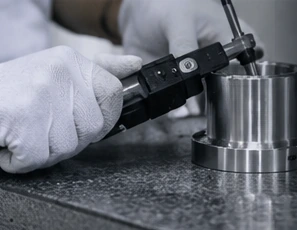
Provide the critical dimensions, tolerances and datums on the drawing. Include the relevant mating part or assembly information, and explain the test conditions when the sample will be used to evaluate function.
Specify the characteristics to report, how many pieces are to be checked and the document format you need. A sample inspection, a batch sampling plan and inspection of every piece are different scopes; none should be assumed. [3]
State which measurements and appearance checks apply after coating, treatment or assembly. Confirm how to identify the inspected parts and how questions about acceptance will be resolved before shipping.
VP-104_REV-C.stepVP-104_REV-C.pdfA changed CAD file with an old drawing creates an avoidable question. Give each revision a clear identifier and explain what changed, especially at mating interfaces and inspected features.
Discuss the effect of a revision on material already ordered, programming, fixtures, inspection, price and delivery. Ask for written agreement on which revision the in-progress order will use.
Reference the approved files again on each release. Agree any fixture storage, record retention and change-notification arrangements instead of assuming that they carry over indefinitely.
| Quote item | Prototype order | Production or repeat order |
|---|---|---|
| Programming and setup | Ask what is included in the first sample quote. | Ask which preparation can be reused and which needs to be repeated. |
| Material and machining | Compare the same material, revision and part condition. | Request prices for the quantities you are actually considering. |
| Finishing and inspection | Identify the sample finish, report and test scope. | Confirm batch finishing, inspection frequency and documentation. |
| Packaging and deliveries | Specify the sample destination and handling needs. | Separate one shipment from multiple releases and any storage request. |
Setup and programming can be spread over more parts in a batch, but the final unit price also depends on the part and the order scope. Request comparable quotes for your planned quantities rather than treating the sample price as the production price. [2]
A design that works for a prototype may deserve another manufacturing review when demand changes. Share the expected volumes and design constraints. We can discuss our factories, coordinate a suitable partner or introduce one directly; an alternative process is not automatically a better choice.
Send the CAD model, drawing, material, quantities and test or inspection requirements. Flag decisions that are still open.
Agree scope, pricing, the requested schedule and any hold point before production. Identify who will review the samples.
Document what passed, what changed and any remaining conditions. Release the production revision explicitly.
Agree quantity, inspection, packaging and delivery stages. Recheck the schedule after any change.
Reference the approved specification and state new requirements. Reconfirm availability and delivery for each order.
Tell us when parts need to arrive and whether that date includes your sample review, finishing, documentation and transport. A requested date is not a confirmed delivery commitment.
Share expected repeat demand for planning, but identify the quantity that is actually authorized. Discuss split shipments and inventory arrangements before committing to them.
I have spent ten years in the CNC industry, following my father's generation in this business. With our factories in China and the partners we know, I want overseas customers to understand who is doing the work and how an order will be handled—not just receive a price and hope the rest follows.
Read Our StoryTell us the number of parts you need, including a single sample. The drawing, material, setup and inspection scope determine whether the request is practical and how it is quoted. There is no published blanket minimum order quantity; it is confirmed for the project.
Request the production material, condition and finish when that is necessary for the test. Availability and the proposed process need to be reviewed. Any agreed substitute should be documented so it is not mistaken for production validation.
A prototype is usually ordered to evaluate the design, fit or function of the part. A pilot run focuses on the proposed production arrangement and the checks needed before a larger release. Agree what your order needs to demonstrate rather than relying on the name of the stage.
Not necessarily. It depends on the part, the change being introduced and your acceptance requirements. An unchanged repeat order and a new design do not automatically need the same approval steps. Discuss the appropriate release plan with the project review.
No. Sample approval records acceptance of the evaluated sample and scope. Production still needs an agreed specification, manufacturing arrangement and inspection plan. State whether any characteristics require checks on every part or a defined sampling plan.
Yes, changes can be discussed before the next release. Send a revised model and drawing, identify what changed and confirm the effect on cost, timing, material and any work already underway. Do not assume an active order has changed until that is agreed.
It may, but the answer depends on the part and order scope. Ask for prices at the quantities you are considering, using the same revision, material, finish and inspection requirements. A sample quote is not a guaranteed price for a later batch.
Provide separate quantities for samples, any pilot run and the possible production order. Mark forecasts as forecasts and confirmed requirements as confirmed. The quotation should make clear what each price and schedule covers.
Include the required report format, characteristics, sampling requirements and material documentation in the inquiry. We will review the scope and availability for the proposed factory. No report, certification or traceability package is assumed to be included automatically.
Request the release quantities, destinations and needed dates. Packaging, storage, payment and the responsibility for each release need to be agreed. A forecast does not by itself reserve stock or create a delivery commitment.
Send the drawing package and your requested arrival date. The schedule needs to account for the material, machining, finishing, inspection, approval steps and transport applicable to the order. The confirmed quotation or order agreement sets the delivery commitment.
Kevin can discuss a coordinated partner arrangement or a direct introduction. Before proceeding, agree who manufactures, who communicates, who is responsible for inspection and which company you will contract with.
Agree confidentiality and the transfer method before sharing sensitive or restricted files.
These references explain general manufacturing concepts. Other suppliers’ quantities, equipment, lead times and certifications are not vetcnc specifications. The order workflow describes topics to agree, not automatic service inclusions.