Skip to content
vetcncCNC MANUFACTURING
CNC milling — AI-generated illustrative scene, not a vetcnc facility

CNC Machining Services.Made to your drawing.

Review Capabilities
Milling & TurningProcess matched to the part
Metals & PlasticsGrade-specific requirements
Prototype to ProductionOne drawing-based inquiry
Drawing ReviewCritical features defined

CNC milling, turning & 5-axis machining.

01 / ProcessCNC Milling component illustration

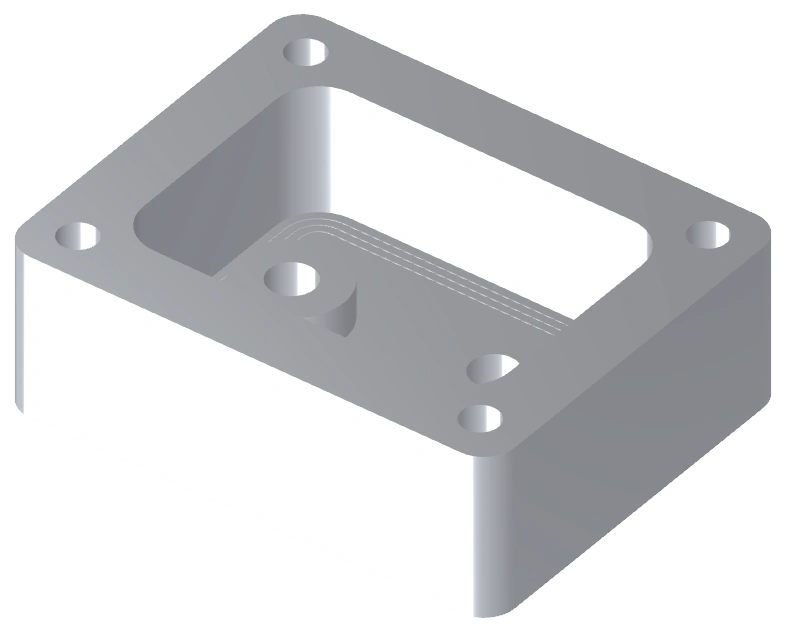
CNC Milling

Rotating cutting tools remove material from a fixed or repositioned workpiece. A practical starting point for pockets, slots, flat faces and non-round profiles.

Typical part geometry
Housings, mounting plates and brackets
Discuss in your drawing review
Pocket depth, inside corner radii and access to each face.
02 / ProcessCNC Turning component illustration

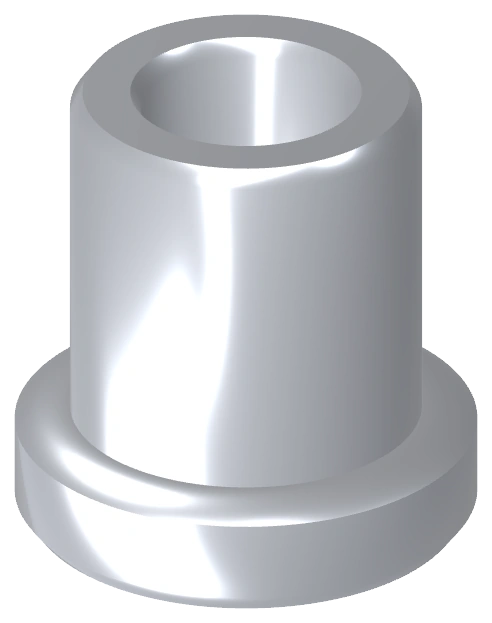
CNC Turning

A lathe rotates the workpiece while a cutting tool forms the profile. Turning is suited to cylindrical features, bores, grooves and external or internal threads.

Typical part geometry
Bushings, shafts, spacers and sleeves
Discuss in your drawing review
Diameters, fit requirements, usable thread depth and end features.
03 / Process5-Axis CNC Machining component illustration

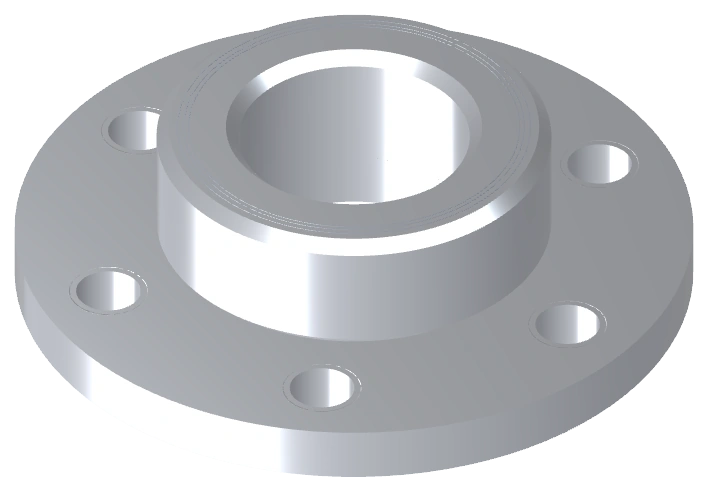
5-Axis CNC Machining

Additional rotary axes let the tool approach a part from more directions. Consider this route for angled features or complex surfaces when access and setup count matter.

Typical part geometry
Multi-face components and contoured parts
Discuss in your drawing review
Indexed or simultaneous machining, fixturing and critical relationships.

Not sure which process to choose? Send the drawing and describe how the part will be used. A part can combine turned and milled features; the machining route should follow its geometry, material and critical requirements.

Custom CNC machined parts.

6 part examples shown.

Metal & plastic machining materials.

Swipe the table to see all specification details.

Material availability, grade and finishing compatibility are confirmed during quotation. The table is a specification guide, not a live stock list.
MaterialSpecify in your RFQPart requirements to considerRequest a quote
Aluminum AlloysMetal
Alloy grade and temperFor lightweight housings, brackets and machined structures. Specify the grade and any anodizing requirements.
Stainless SteelMetal
Grade and surface conditionDefine the operating environment, corrosion-resistance requirement and final surface treatment.
SteelMetal
Steel grade and hardnessInclude the supplied material condition and any heat treatment required before or after machining.
Titanium AlloysMetal
Grade and material specificationCall out the exact grade, critical features and any required material traceability.
BrassMetal
Alloy and composition requirementsState the application, thread details and any restrictions on material composition.
CopperMetal
Grade and material conditionSpecify the electrical or thermal function, contact surfaces and finish requirements.
Inconel AlloysMetal
Exact alloy and conditionIdentify the alloy, service environment and documentation requirements for the proposed part.
PEEKEngineering plastic
Grade, fillers and colorSpecify unfilled or reinforced material and the operating temperature, load and chemical exposure.
POM / AcetalEngineering plastic
Homopolymer or copolymer gradeIdentify the material grade, mating features and any wear or low-friction requirements.
NylonEngineering plastic
Nylon grade and conditioningInclude the operating humidity, moisture conditioning, fillers and critical dimensional requirements.
Acrylic / PMMAEngineering plastic
Stock type and optical requirementsState which surfaces need clarity or polishing, plus any appearance and handling requirements.

11 materials shown.

CNC machining tolerances & drawing requirements.

Drawing review / functional featuresTOP VIEWSIDE VIEWBOLT PATTERNCRITICAL BOREPER DRAWING
Machining limits and inspection capability must be confirmed for your specific drawing before an order is accepted.
RequirementWhat to provide or agree
General dimensionsIdentify the drawing units and the general tolerance specification to apply to dimensions without individual limits.
Critical fitsMark the mating dimensions and acceptable limits. Describe whether the joint needs clearance, a transition fit or an interference fit.
Geometric tolerancesIdentify the relevant datums and controls for position, flatness, runout or other functional relationships.
Part envelopeProvide overall length, width and height, or diameter and length. Tool access and fixturing also affect feasibility.
Threads & holesSpecify thread standard, size, pitch, class where required and usable depth. Distinguish through holes from blind holes.
Surface roughnessState the required roughness and measurement convention on the surfaces that need it, including whether it applies after finishing.
Acceptance criteriaAgree the inspection scope, sampling or full inspection, report format and any special functional checks before ordering.

Surface finishes for your CNC parts.

Selected finish: Not specified

Swatches are indicative only, not finish acceptance samples.

Inspection built around your part requirements.

Industry certification, special testing and program-specific approvals are not implied. Include these requirements in the RFQ for confirmation.

Drawing & revision control

Keep the model, drawing and purchase specification on the same revision. Confirm which document governs geometry, tolerances, material and finish if the files differ.

Critical-feature inspection

Identify the dimensions that determine fit and function. Agree the measurement approach and reporting needs for those features, not just a general statement that the part will be checked.

Material & finishing records

List the records you require, such as material certificates, dimensional results or finishing documentation. Their availability, scope and cost must be confirmed in the quotation.

What determines CNC machining cost?

01 / Validate

CNC Prototypes

Use the first parts to check fit, assembly and the design before committing to a larger order. Identify any prototype-only compromises explicitly.

Include in the RFQ: Current drawing revision, test purpose and the quantity needed for evaluation.

02 / Establish

Small-Batch Machining

Review the order as a batch, not as repeated one-off parts. Setup, material purchasing and inspection requirements all influence the total cost.

Include in the RFQ: Batch quantity, approved specifications and any planned follow-on orders.

03 / Repeat

Production Parts

For repeat orders, keep the drawing, material, finish and acceptance criteria controlled. A revision change may require a fresh review of pricing and lead time.

Include in the RFQ: Release quantities, revision control, documentation and packaging requirements.

Compare quotes on the same scope.

A lower unit price is not a complete comparison when one quotation excludes finishing, inspection or shipping. Define the same requirements before comparing suppliers or order quantities.

For repeat production, share the expected release quantities as well as the initial order. Treat future volume as planning information, not as a guaranteed purchase.

Prepare Your RFQ
Cost driverWhy it mattersWhat you can clarify
MaterialGrade, stock size and material condition affect purchasing and machining.Specify the required grade and clearly mark any acceptable alternatives.
Geometry & setupsDeep features, difficult access and extra workholding add operations.Keep functional constraints clear so noncritical features can be reviewed.
TolerancesTight limits can require extra machining and measurement.Apply special limits to the features that actually need them.
QuantitySetup costs are spread across the order; repeat quantities may change the approach.Request comparable prices at the quantities you genuinely expect to buy.
Finishing & inspectionAdditional processes, masking and records add work beyond cutting the part.Include finishing, inspection and documentation in every quote comparison.
Delivery scopeMaterial availability, secondary operations, packing and shipping affect the schedule.Provide the required delivery date and destination, not just a desired machining time.

Design guidelines for machined parts.

Send the model and the drawing together.

The model communicates geometry. The drawing communicates the requirements that make the part acceptable.

01Internal corners & tool access

Milling cutters leave a radius in internal corners. Where a sharp mating corner is essential, discuss an appropriate relief or a different process instead of assuming a smaller cutter solves every feature. Make sure the cutting tool can reach the required surfaces.

02Deep pockets & thin walls

Deep, narrow cavities need longer tools, while thin walls can deflect during cutting. Review the relationship between depth, width, wall thickness and material. There is no single minimum wall thickness that applies to every part.

03Holes, threads & edge conditions

Include usable thread depth, not only overall hole depth. Identify counterbores, countersinks and cross-holes. Specify the treatment of sharp edges and burrs, especially where passages intersect or parts contact seals.

04Critical dimensions & surface finish

Mark the features that control assembly or function, and distinguish them from noncritical dimensions. Identify sealing, sliding, bearing and cosmetic surfaces individually so finishing is applied where it is actually needed.

05Matched CAD and drawing files

Use a neutral 3D model for geometry and a matching drawing for requirements that the model alone may not communicate. Keep units, revision identifiers, material, threads and finishing instructions consistent across the package.

CNC machining for your industry.

Aerospace

Brackets, housings and other drawing-defined components.

Specify program requirements and traceability.

Medical Devices

Parts for diagnostic equipment, fixtures and device assemblies.

Define material, cleanliness and documentation.

Automotive

Development parts, test fixtures and mechanical components.

Identify test conditions and production intent.

Defense

Program-specific mechanical and equipment components.

Agree eligibility and secure file transfer first.

Semiconductors

Equipment housings, mounts and handling components.

Specify cleanliness, finish and material controls.

Examples describe potential applications, not customer references. Project eligibility and any industry-specific qualification must be confirmed before ordering.

From CAD drawing to finished CNC parts.

01

Share the Drawing

Send a CAD model and matching drawing with material, quantity, finish and the requested delivery date. Flag critical features and special documentation.

02

Review & Quote

Resolve drawing questions and confirm machining feasibility, the quoted scope, inspection needs and the proposed schedule.

03

Approve the Scope

Confirm the final revision, quantity, material and commercial terms before authorizing production. Keep any agreed changes documented.

04

Inspect & Deliver

Review the agreed inspection and documentation package. Confirm packaging, identification and shipping requirements for the finished parts.

CNC machining: your questions answered.

What is included in a CNC machining service?

CNC machining produces custom parts by removing material from solid stock using computer-controlled cutting tools. A project can include milling, turning or multi-axis machining, plus agreed secondary operations. The quotation should define the material, quantity, finish, inspection, documentation and delivery scope. Finishing or special reports should not be assumed to be included unless stated.

How do I request a quote for custom CNC parts?

Send a 3D model or a fully dimensioned drawing, the required material and grade, quantity and target delivery date. Add a matching 2D drawing for critical tolerances, threads, surface requirements and other notes. Include the part number and revision, plus any inspection or documentation requirements. A complete file package helps avoid assumptions during quotation.

Do you offer prototypes and production quantities?

This service covers inquiries for prototypes, small batches and repeat production. State your initial quantity and any expected follow-on volume so the machining approach can be reviewed for the complete project. Minimum order acceptance, pricing and delivery are confirmed for the specific part; no universal minimum quantity is stated on this page.

What CNC machining tolerances can I request?

Specify the tolerance required by each critical feature and the general tolerance for the remaining dimensions. Achievable results depend on material, geometry, part size, fixturing, finish and how the feature will be measured. The accepted tolerance should be confirmed against your drawing in the quotation. A single headline tolerance does not describe every feature or material.

Which materials can I specify for CNC machining?

The material families on this page include aluminum, stainless steel, steel, titanium, brass, copper and Inconel alloys, along with PEEK, POM, nylon and acrylic. Provide the exact grade, supplied condition and any filler, color or certification requirement. Material availability and compatibility with the proposed finish must be confirmed during quotation.

How long does CNC machining take?

Lead time depends on drawing completeness, material availability, machining complexity, quantity, finishing and inspection. Identify the date you need parts at the delivery destination, and distinguish machining time from transit time. The schedule is confirmed after the part and order scope are reviewed; an urgent request is not automatically an accepted delivery commitment.

How can I reduce the cost of CNC machined parts?

Keep noncritical geometry simple, allow workable internal radii, and use tighter tolerances only where the part needs them. Review difficult-to-reach features and unnecessary finishing with the supplier. Compare realistic order quantities and include the same material, inspection and delivery scope in each quote. Do not substitute material or relax a functional requirement without engineering approval.

What is the difference between CNC milling and turning?

Milling uses a rotating cutting tool to form features such as pockets, slots and flat faces. Turning rotates the workpiece and is commonly used for cylindrical profiles, bores and threads. A part with both round and non-round features may need more than one operation. The appropriate route follows the part geometry and requirements, not the name of the part alone.

When is 5-axis CNC machining useful?

Consider multi-axis machining for features at different angles, complex surfaces or parts that would otherwise require several setups. Distinguish indexed positioning from simultaneous 5-axis cutting when the process is important to your application. Additional axes do not remove all tool-access restrictions or automatically make every part cheaper; the drawing still needs a feasibility review.

Can I upload a drawing without a 3D model?

A fully dimensioned drawing may be sufficient for an initial review, depending on the part. Complex surfaces are easier to communicate with a 3D model. The form accepts PDF, DWG, DXF, STEP/STP, IGES/IGS, SLDPRT and ZIP files up to 20 MB. Combine related files in a ZIP archive when needed, and keep the model and drawing revisions consistent.

Can I request material certificates, inspection reports or an NDA?

Include the exact documents and confidentiality terms you need before placing an order. Inspection scope, material traceability, report format and any additional cost must be confirmed in writing. Agree confidentiality and the appropriate transfer method before sharing sensitive or restricted drawings. This page does not claim a specific industry certification or regulatory approval.

Are the example parts stock products?

No. These are custom, drawing-based machining inquiries rather than purchases from a fixed product catalog. The part illustrations show typical geometries, not stock items or customer case studies. Use the form on this page to describe your own part, attach the relevant files and request a project-specific quotation.
Request your CNC machining quote.

  • CAD model and matching drawing, with part number and revision.
  • Material grade, finish and the quantity you need.
  • Critical dimensions, inspection needs and required records.
  • Delivery date, destination and any repeat-order plans.

Not ready to share confidential files? Start with a non-sensitive project description and state any confidentiality requirements.

Tell Us About Your Part

A drawing and clear requirements are the best place to start.

Design preview. No files or details will be sent until submission is connected.

Attach CAD Files or Drawings

*Required fields

Agree confidentiality and the transfer method before sharing sensitive or restricted files.

vetcncCNC MANUFACTURING

Get a Quote

Design preview. This form is not connected; no files or details will be sent.

Upload Drawing

*Required fields

Part Illustration

Page Preview

Email us