 Prepare your first RFQ
What to Include in a CNC Machining RFQ
Prepare your drawings, material specification, quantities, finishing and inspection requirements for a clear CNC machining quotation.
Read the RFQ guide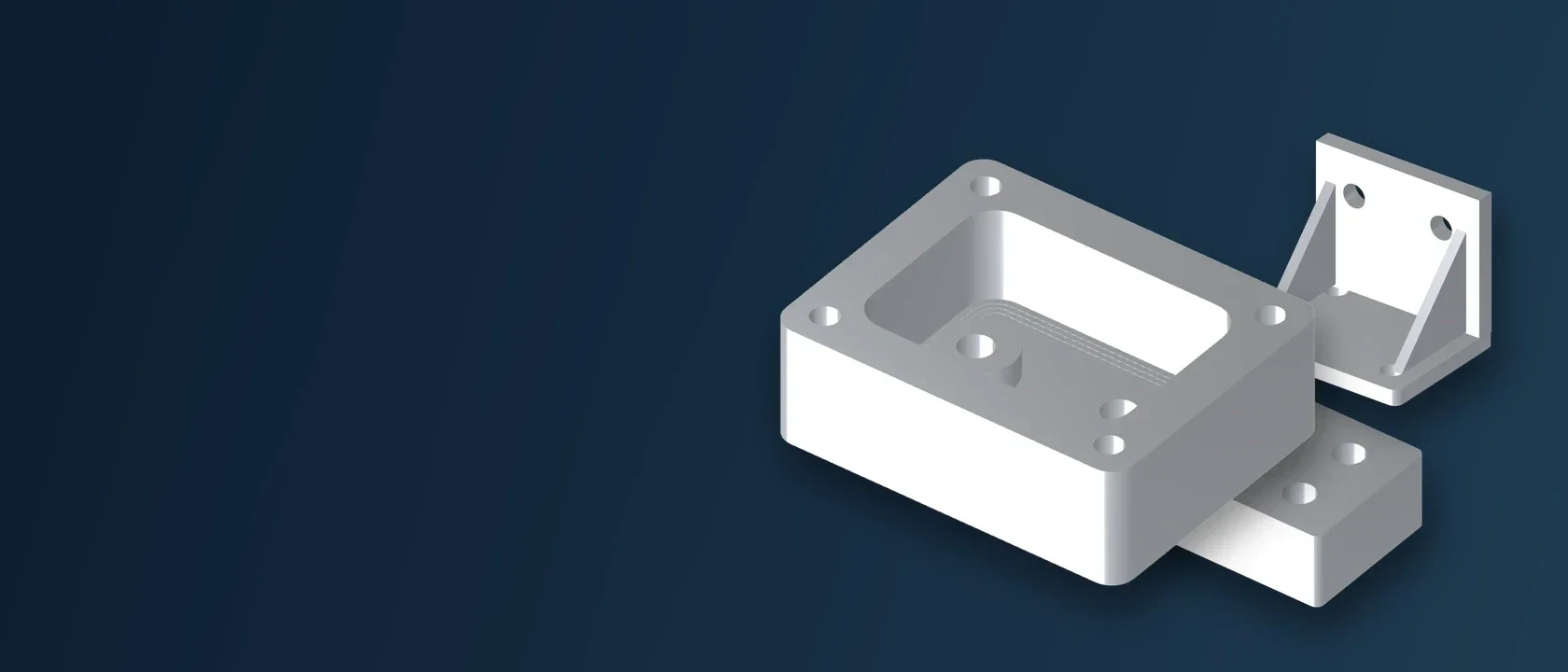 Prepare your first RFQ
Prepare your drawings, material specification, quantities, finishing and inspection requirements for a clear CNC machining quotation.
Read the RFQ guide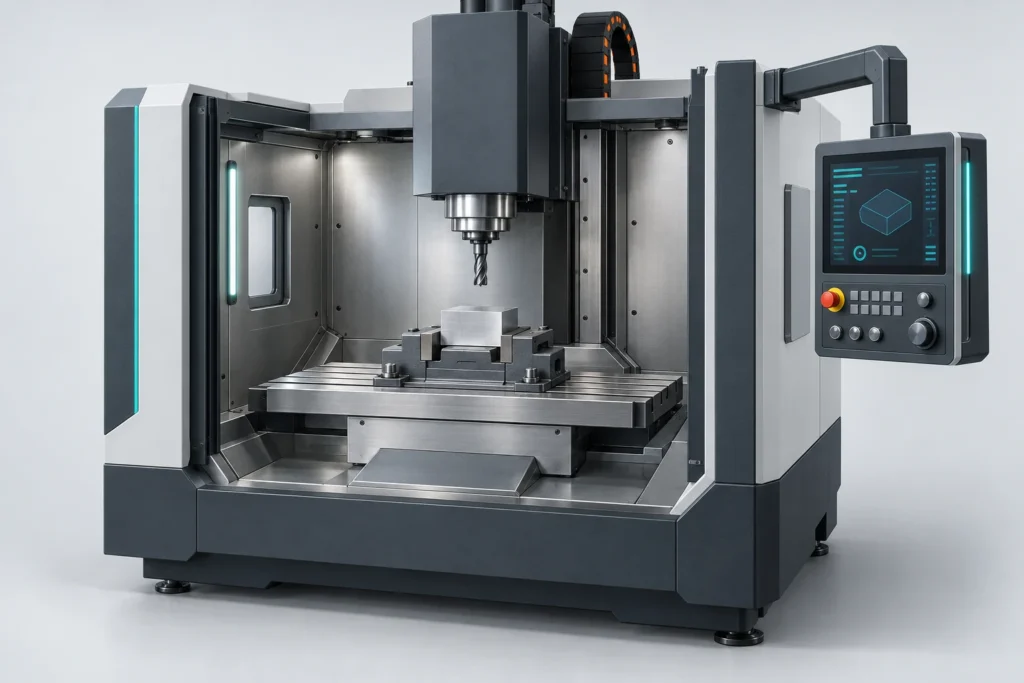
Follow a CNC move from program coordinates to axis motion, and understand how interpolation, drives and position feedback affect the machining result.
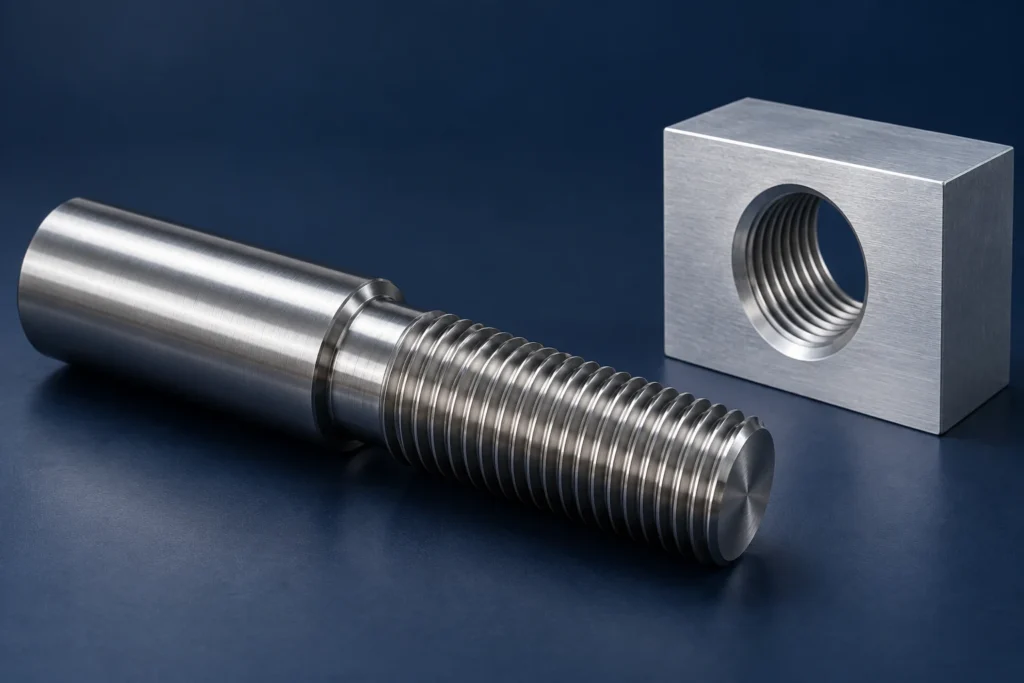
Compare how thread turning, tapping and thread milling work, then see how setup, blind-hole clearance and size control change the choice for three example parts.
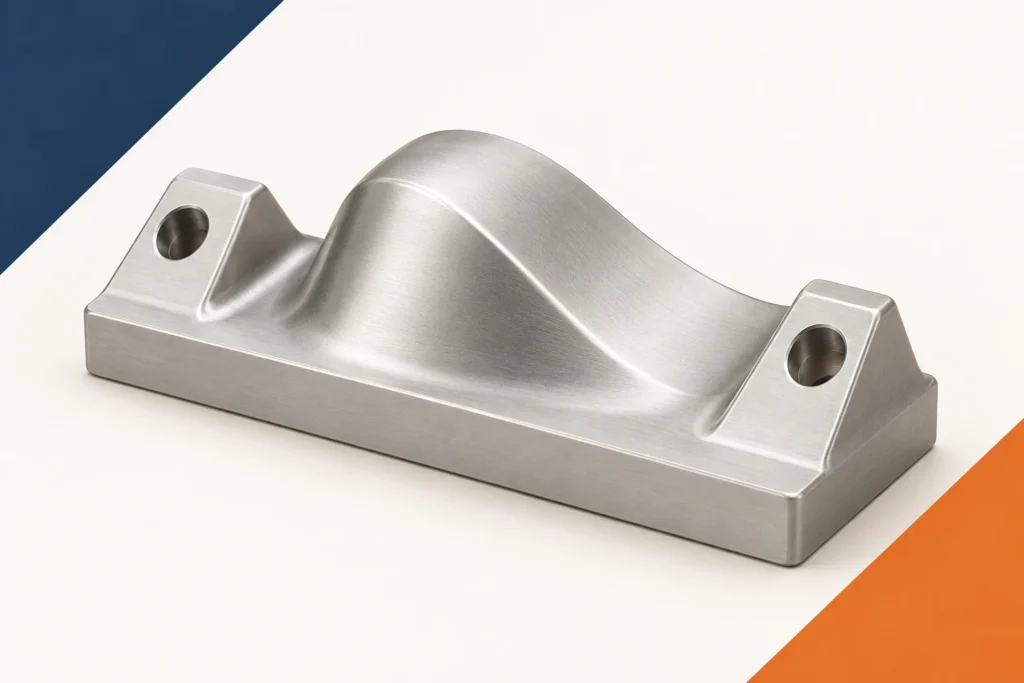
See how 3+2 positioning differs from simultaneous five-axis cutting, why tool orientation matters, and how one part can combine both strategies.
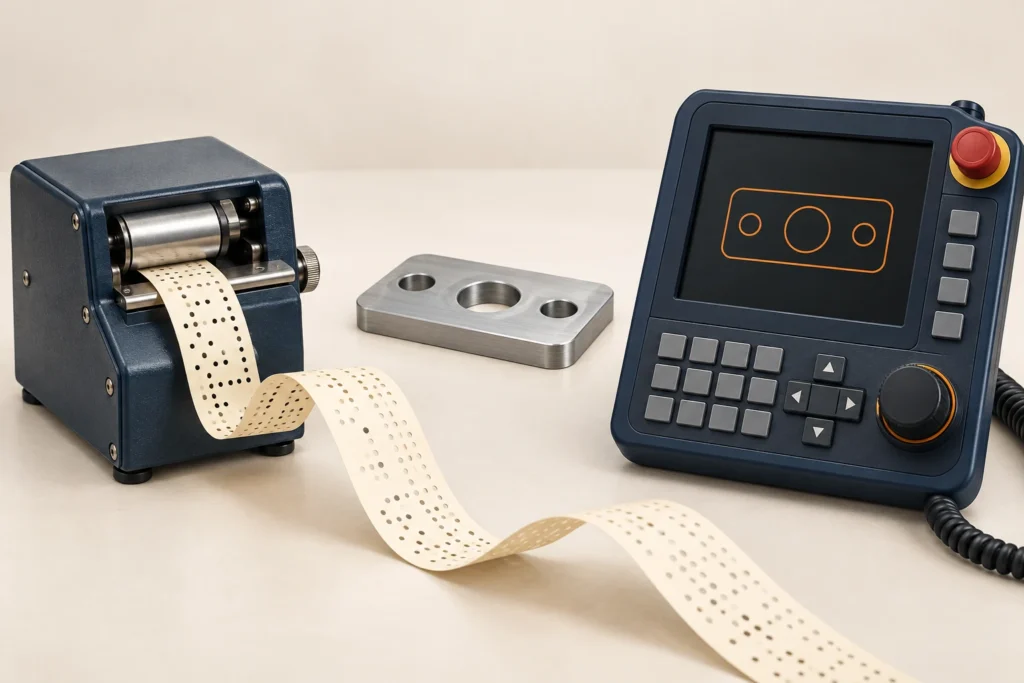
Understand how numerical control evolved into CNC, what changed in program storage and editing, and why tape, feedback and file names do not define the difference.
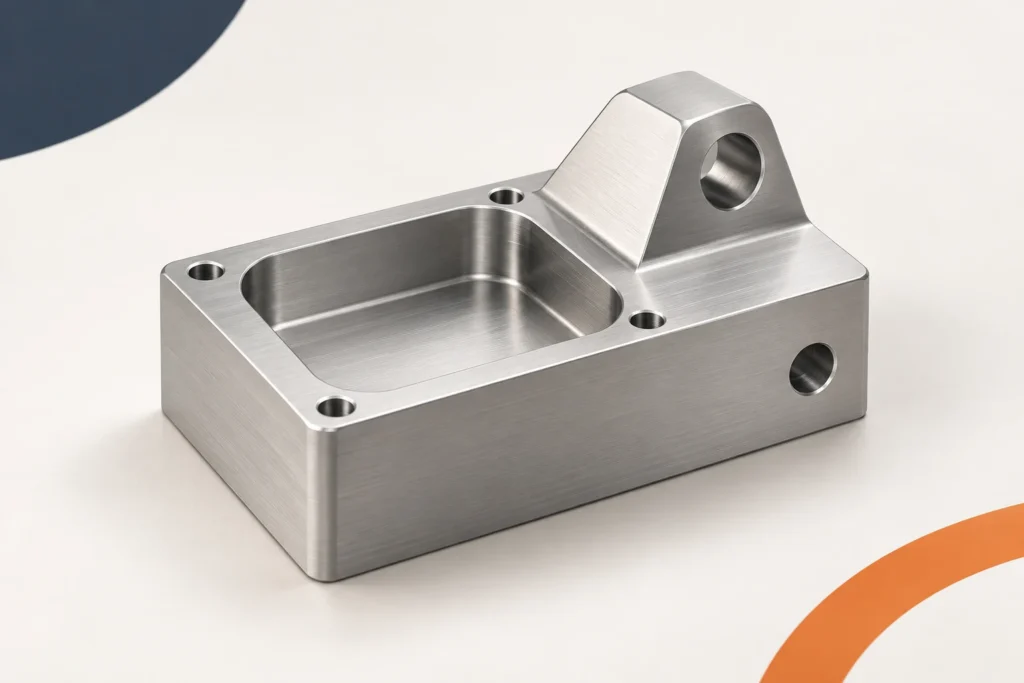
Compare three-, four- and five-axis milling through tool approach, rotary motion and concrete part examples, including the access limits that extra axes cannot remove.
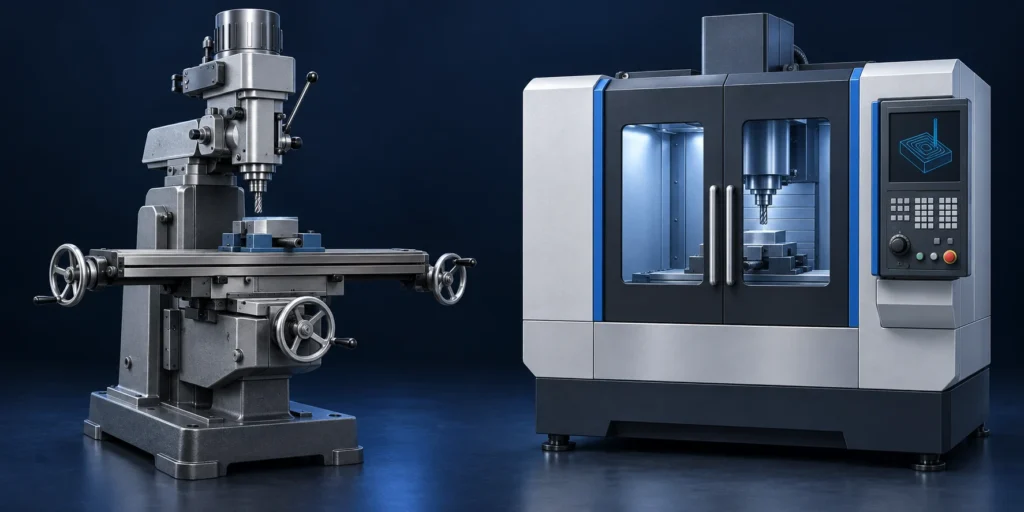
Compare manual and CNC milling for simple cuts, curved profiles and repeat orders, with a worked setup-time example and practical accuracy checks.
Try a broader term, such as drawings, materials, machining or cost. You can also clear the topic filter.
Show all guidesWe use Google Analytics to see how this site is used. Analytics cookies are set only if you accept. Privacy Policy
