CNC Machining
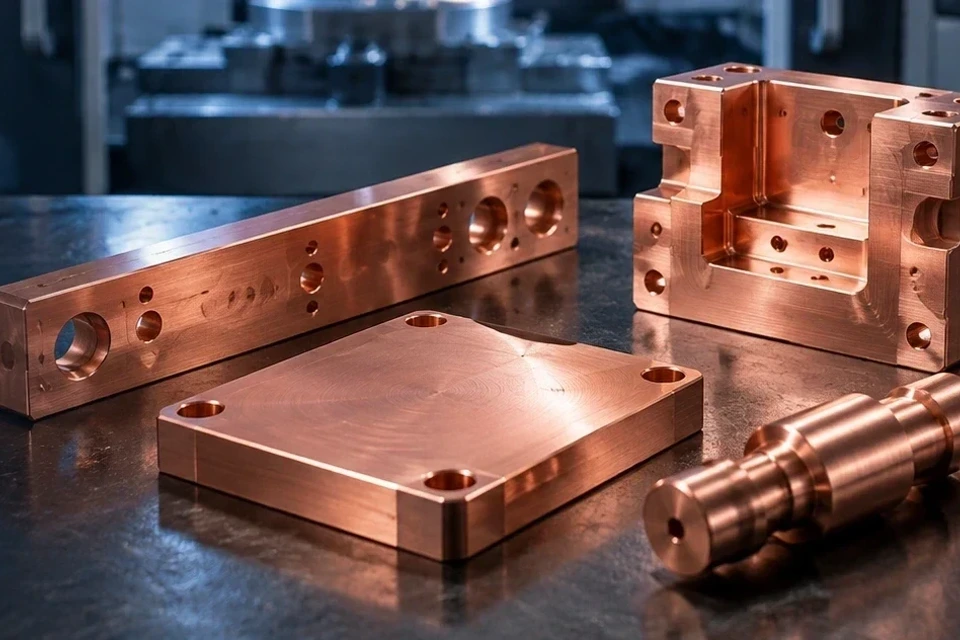
Start with the complete machining service: metal and plastic parts, drawing review, material requirements and inspection.
Showing all 7 services
Start with the complete machining service: metal and plastic parts, drawing review, material requirements and inspection.
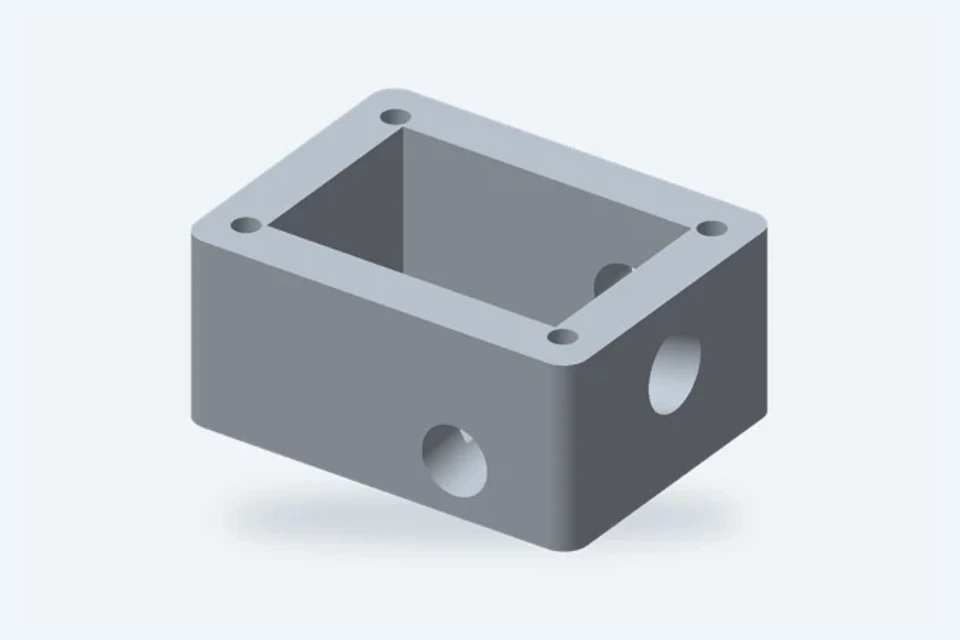
Explore machining for pockets, flat faces, slots and hole patterns in housings, brackets and plates.
Review shafts, bushings, sleeves and threaded parts, with attention to diameters, bores and assembly fits.
Compare indexed and simultaneous machining for angled features, multiple faces and contoured geometry.
Discuss the dimensions, fits and geometric requirements that matter, together with the inspection method and final part condition.
Bring a made-to-order part definition: drawing revision, material, finish, quantity and any options you would like reviewed.
Plan samples, pilot runs and repeat batches with clear approval points, drawing revisions and delivery quantities.
Try a process or part feature, such as milling, shaft, angled face or prototype.
Custom parts, precision requirements and production stages can involve the same machining processes. The route and scope are confirmed against your drawing, not by a category label.
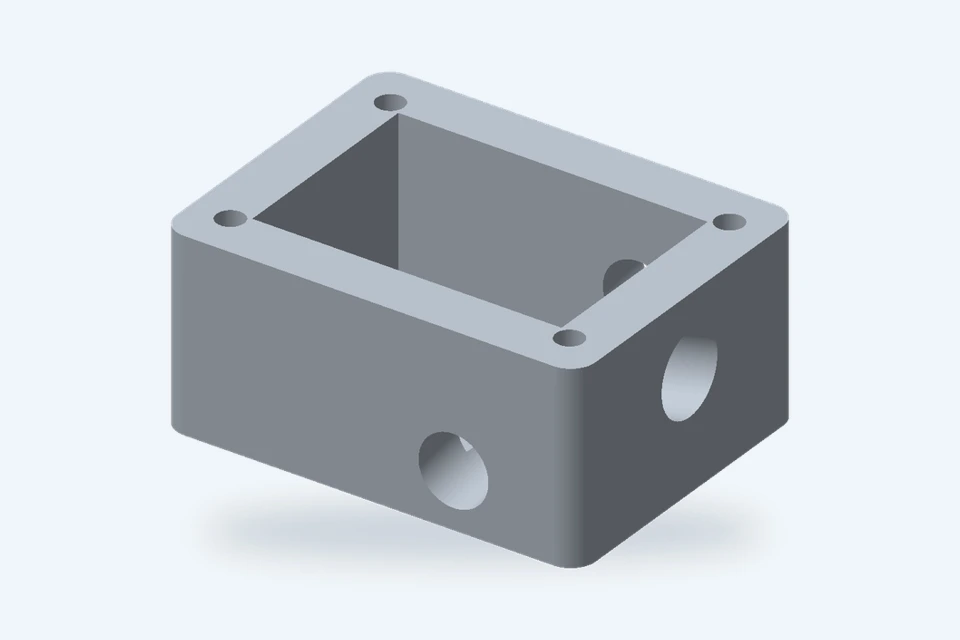
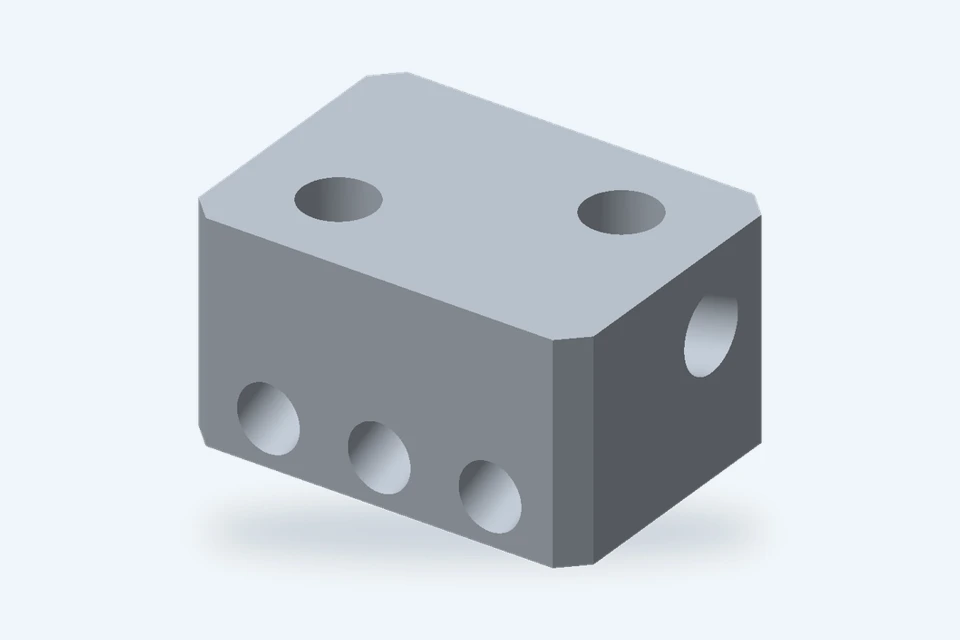
A rotating cutter can create pockets, faces, slots and hole patterns. Start with the milling page when these features dominate your drawing. The accessible faces, inside corners and required datums should be reviewed together.
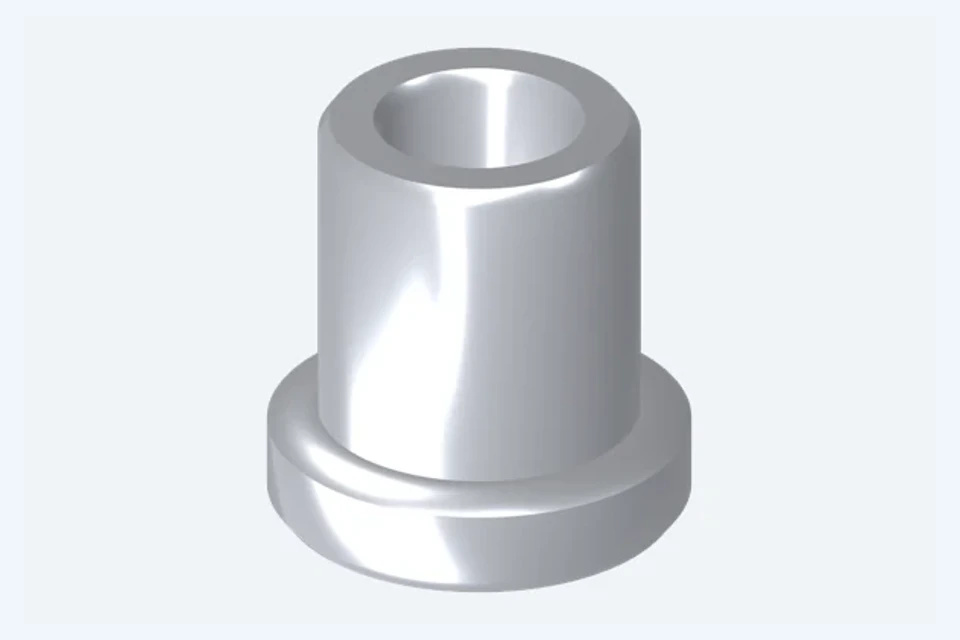
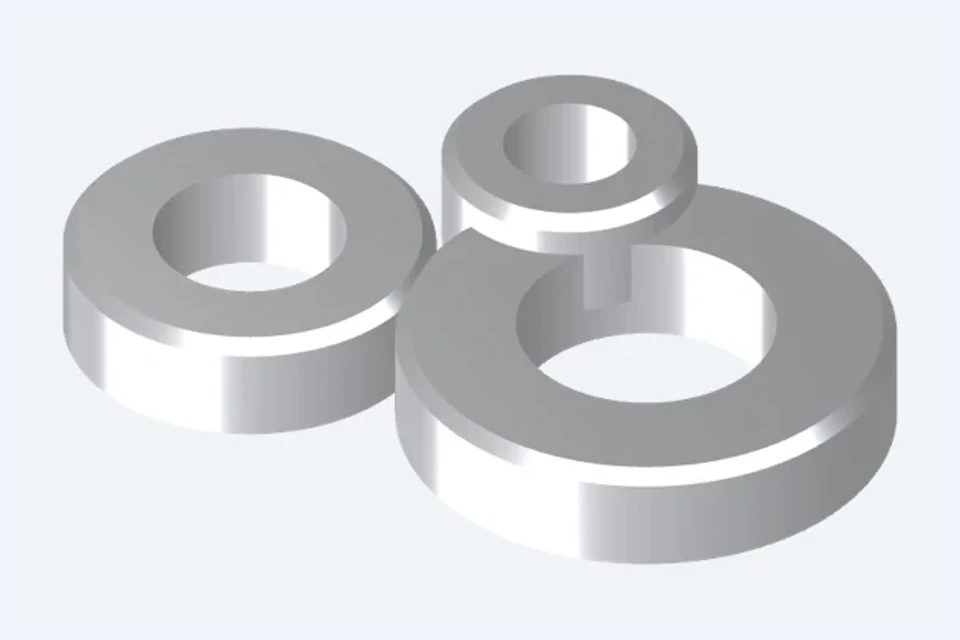
A turning operation rotates the workpiece to generate round features. Review the outside diameter, bore, shoulder and thread requirements together. Flats or cross-holes may need an additional operation, so include the complete drawing.
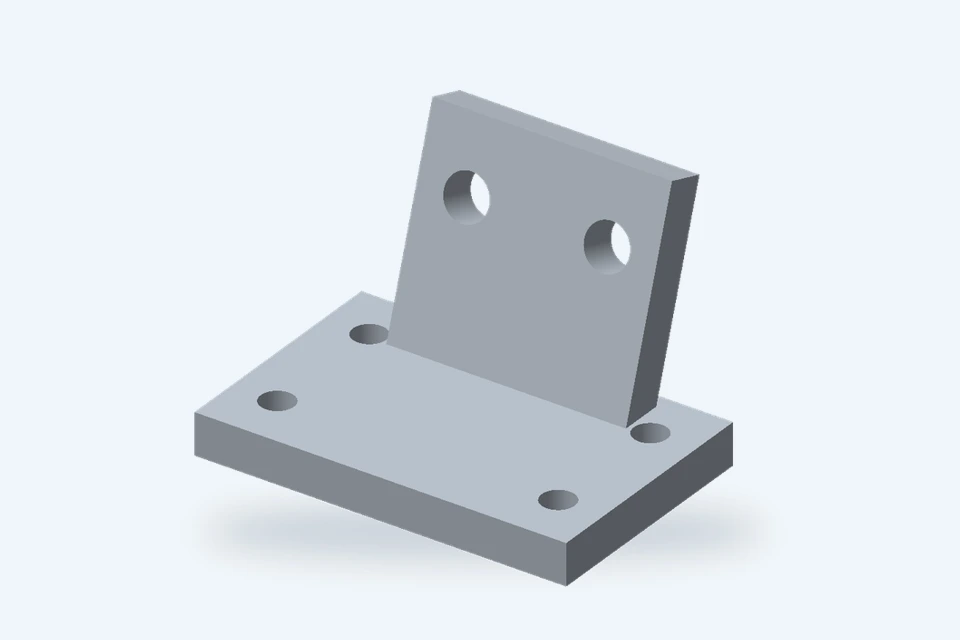
Multiple faces and angled features may benefit from indexed 3+2 or simultaneous machining. The route depends on tool access, part geometry, fixturing and the required finish. Compare the options rather than assuming every complex part needs the same machine.
These are starting points for discussion, not an automatic machining recommendation. Review all features, datums, material and inspection requirements before confirming the route.
Reference reading: Sandvik Coromant — milling; general turning; Haas — 3+2 and simultaneous 5-axis machining.
The directory brings together CNC milling, turning and 5-axis machining, plus pages for custom parts, precision requirements and prototype-to-production orders. The CNC machining overview covers the complete order. These pages describe different ways to approach a project; the final scope is confirmed after reviewing your drawing.
Milling uses a rotating cutter and is a useful starting point for pockets, faces and hole patterns. Turning rotates the workpiece to generate features such as outside diameters, bores and shoulders. A part with round diameters and flats or cross-holes may involve both. Compare milling and turning against your drawing, rather than choosing from the part name alone.
Consider a 5-axis review when angled features, several machined faces or contoured surfaces make tool access and setup planning important. Indexed 3+2 machining and simultaneous 5-axis motion serve different needs. More axes are not automatically the best choice for every part. The 5-axis service page explains the distinction and the information needed for review.
No. Custom machining describes a part made to a particular specification; precision machining focuses on the dimensional and inspection requirements. Either can use milling, turning or a combination of operations. Use the custom parts page for the overall specification, and the precision page for critical features and acceptance criteria.
Yes. Include the sample quantity, any pilot batch, the expected production quantity and the dates you need reviewed. Identify what must be approved before the next stage starts. Forecast quantities should be distinguished from a released order. Use the prototyping and production page to outline the stages; capacity, quantities and timing remain subject to confirmation.
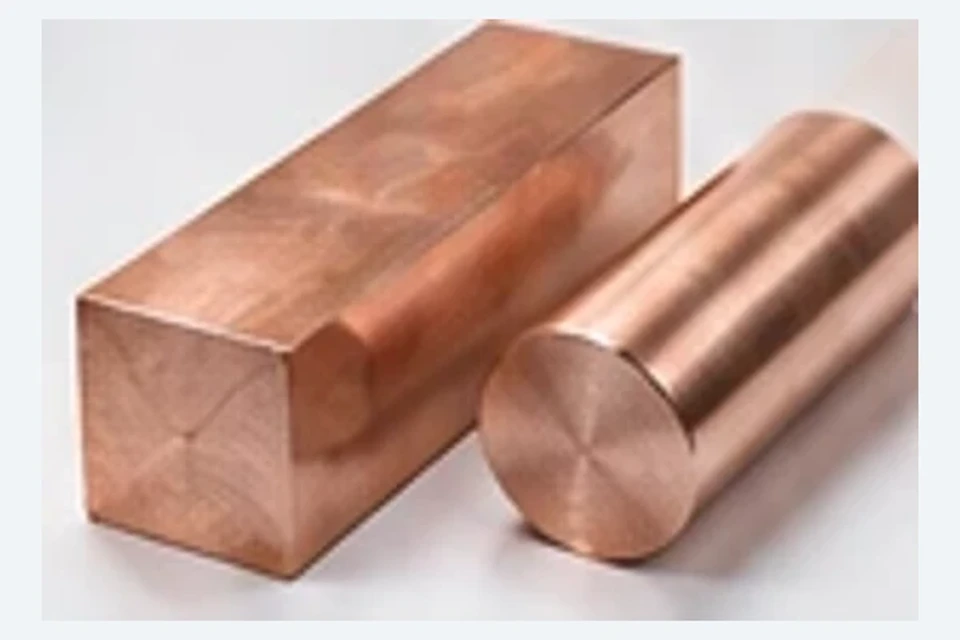
The materials directory covers aluminum, stainless steel, steel, titanium, brass, copper and Inconel, together with PEEK, POM, nylon and acrylic. Specify the actual grade and condition, not just the material family. A listed material is not a stock guarantee; availability and suitability for your drawing must be checked.
Send the current 3D model and a 2D drawing where needed to define tolerances, threads, finishes and inspection requirements. Include the material grade, quantity, drawing revision and requested delivery arrangement. List unresolved details rather than treating them as agreed. The RFQ checklist provides a practical starting point.
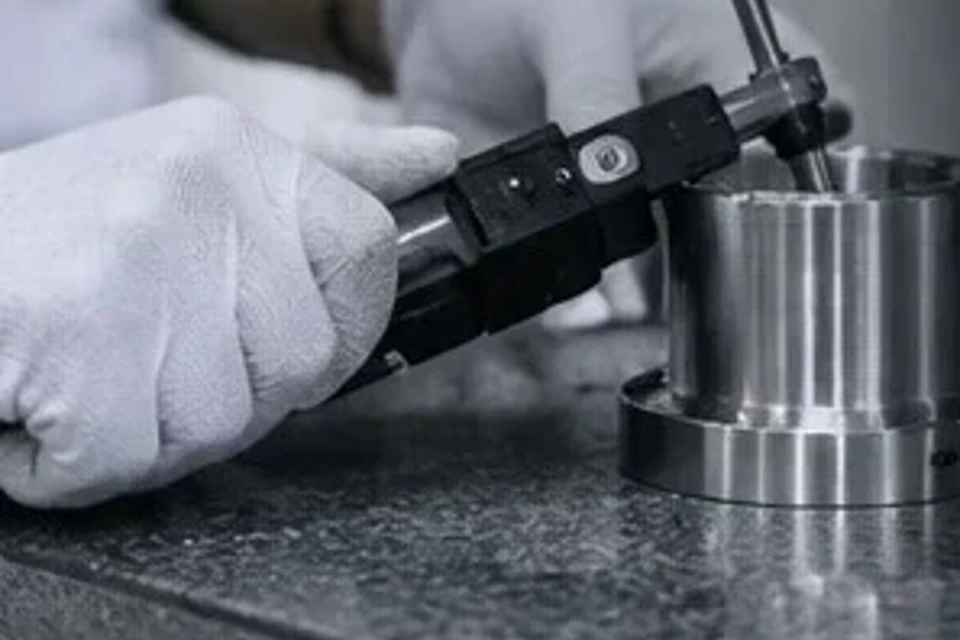
There is no single tolerance that should be promised for every part. The material, feature geometry, part size, fixturing, finishing and inspection method all need review. Mark the critical dimensions and the condition in which they will be measured. The precision machining page helps structure that discussion before a capability commitment is made.
Include them in the inquiry and identify the required final condition, coating or finish specification, masked areas and inspection records. Confirm the scope, responsible manufacturing or processing site and acceptance method before ordering. A requested treatment or report is not automatically included in a quote. The materials and design guide covers related drawing considerations.
Material and blank size, programming and setups, cutting time, quantity, finishing, inspection and delivery requirements can all affect the quotation. Unresolved drawing details or approvals can also affect the schedule. Compare quotes for the same revision and scope; this directory does not calculate prices or promise delivery dates. See the costs and selection guide for a comparison checklist.