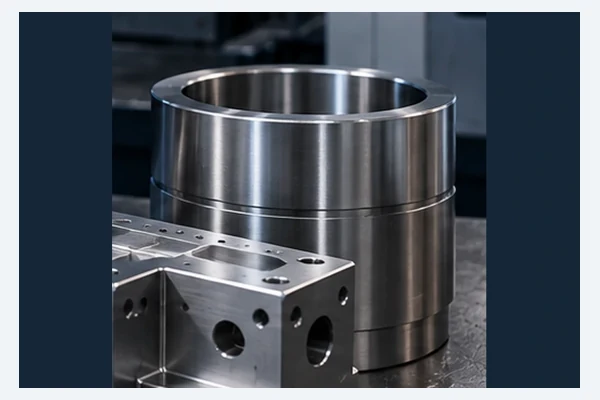
Aluminum
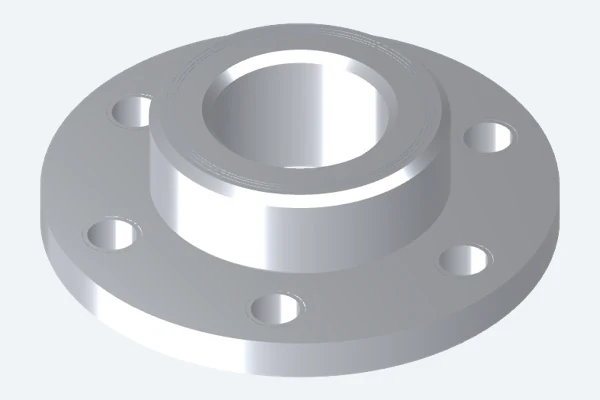
Compare alloy and temper choices for housings, mounting brackets and machined plates.

Showing all 12 materials
Select up to 3 to compareCompare alloy and temper choices for housings, mounting brackets and machined plates.
Review the grade, service environment and final surface condition for shafts, fittings and equipment parts.
Specify carbon or alloy steel together with the hardness, heat treatment and final dimensions your part needs.
Compare commercially pure titanium and alloy grades for your drawing, service conditions and inspection plan.
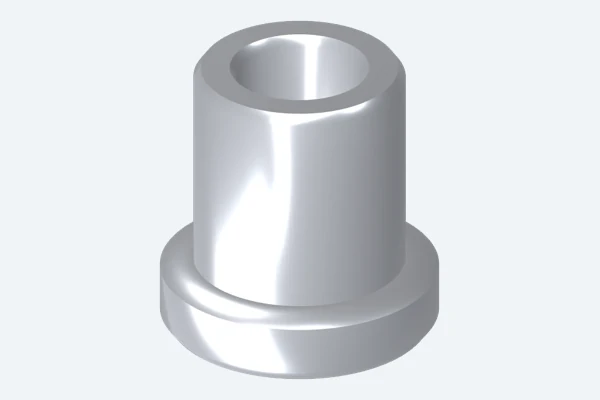
Plan fittings, bushings and inserts around the specified alloy, thread details and any plating requirements.
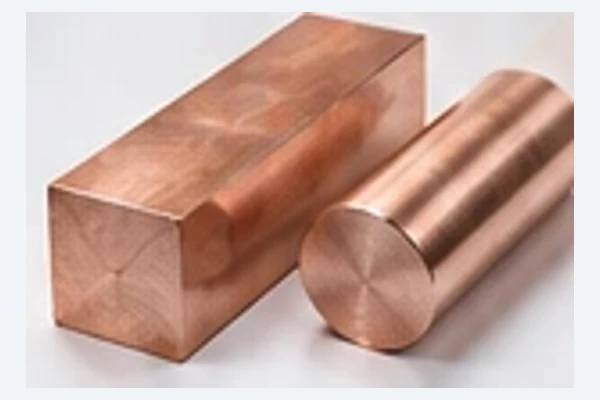
Define functional contact faces, material grade and any electrical or thermal acceptance requirements.
Review nickel-alloy grade, delivery condition and processing sequence before defining the machining scope.
Compare unfilled and reinforced grades against temperature, loading, wear and electrical requirements.
Review POM-C, POM-H and modified grades for gears, guides, spacers and fitted components.
Compare PA6, PA66 and cast nylon while defining moisture condition, assembly fit and service temperature.
Identify visible faces, polishing areas and mounting features for clear covers, windows and housings.

Try a material family or grade, such as aluminum, 316, PEEK or acetal.
Grade names are reference topics, not a stock list. Confirm the exact grade, condition, availability and machining requirements for your drawing.
Define the load, mating parts and final inspection condition. Compare the specified grade and part geometry, not just the material name.
List the temperatures, exposure time and contact media. A material family alone does not establish suitability for an environment.
Specify contact surfaces, motion, moisture and electrical requirements. Filled and unfilled plastic grades need different checks.
Mark conductive contacts, visible faces and areas that must stay uncoated. Agree appearance or functional acceptance after finishing.
The links above are starting points for a drawing review, not automatic material recommendations. Compare the actual grade data and service conditions; confirm suitability through the required engineering review and testing.
Reference reading: Ensinger — material selection; PEEK; POM; polyamide; Special Metals — INCONEL alloy 625.
This directory covers seven metal families and four engineering plastics: aluminum, stainless steel, steel, titanium, brass, copper, Inconel, PEEK, POM, nylon and acrylic. Follow the metal or plastic machining pages to review individual choices. Availability, exact grades and drawing requirements still need confirmation.
Start with the part’s load, assembly fit, temperature, contact media, electrical requirements and expected life. Then compare specific grades and the finished geometry. A material family or a single property does not establish suitability. Use the materials and design guide to prepare the requirements for an engineering review.
Not always. A complete material requirement may also need the product form, temper or heat-treatment condition, permitted substitutions and required records. For plastics, specify the exact grade, fillers and any agreed conditioning requirements. The relevant material page helps identify what to clarify; reference grade names are not a stock list.
Yes. Send the exact material designation or data sheet, the drawing and the required quantity through Contact Us. Its availability and machining requirements can then be discussed. An inquiry does not mean the material has already been approved for manufacture, and an alternative should not be substituted without agreement.
Only after the responsible customer or designer approves the change. Similar names do not establish equivalent mechanical, thermal, chemical or processing behavior. Record the proposed grade and condition, the reason for the change and any required verification. See the material substitution discussion before changing the released specification.
State the exact grade, whether it is filled or unfilled, the load and mating parts, temperature, moisture or chemical exposure and inspection condition. These details matter when reviewing PEEK, POM, nylon or acrylic; appearance alone does not identify a grade. Begin with the engineering plastics overview, then follow the relevant material page.
Identify the intended finish together with the material grade and final acceptance requirements. Mark functional contacts, fitting surfaces, visible faces and areas that must stay uncoated. Do not assume the same treatment is suitable for every material or that pre-finish dimensions define the finished part. The materials and design guide explains what to agree on the drawing.
Yes. Specify the documents, material or lot identification and traceability scope you need when requesting a quote. Confirm what the selected supply and manufacturing route can provide, and what is included in the order. A reference to a material grade is not a certificate. Use the RFQ guide to include these requirements clearly.