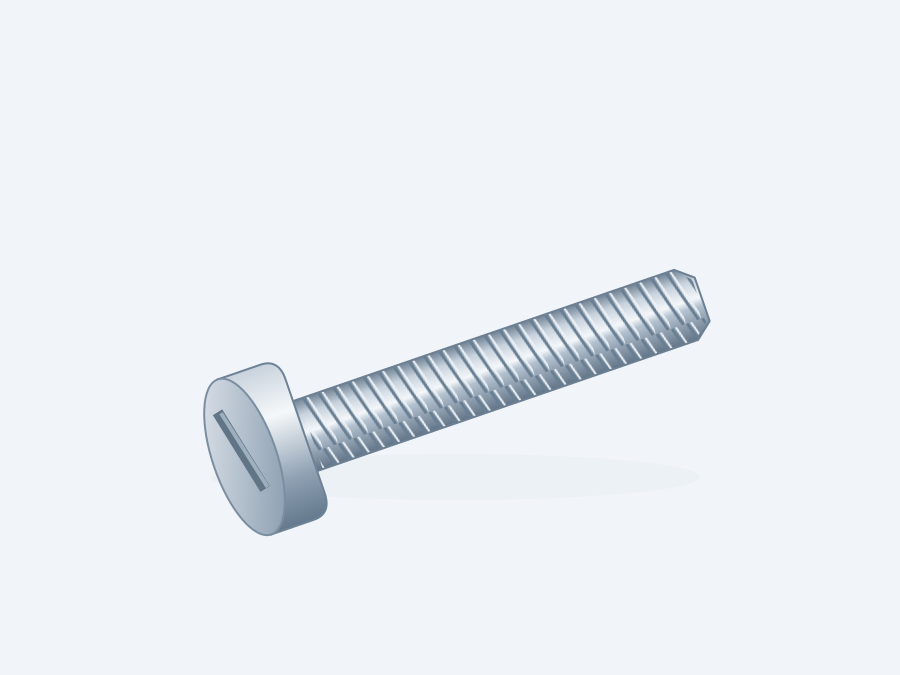
Machine Screws
Our made-to-drawing machine screws connect tapped holes or mating nuts. Head diameter, drive access and threaded length follow the available assembly space.
VETCNC · Custom Components
Made to your drawing
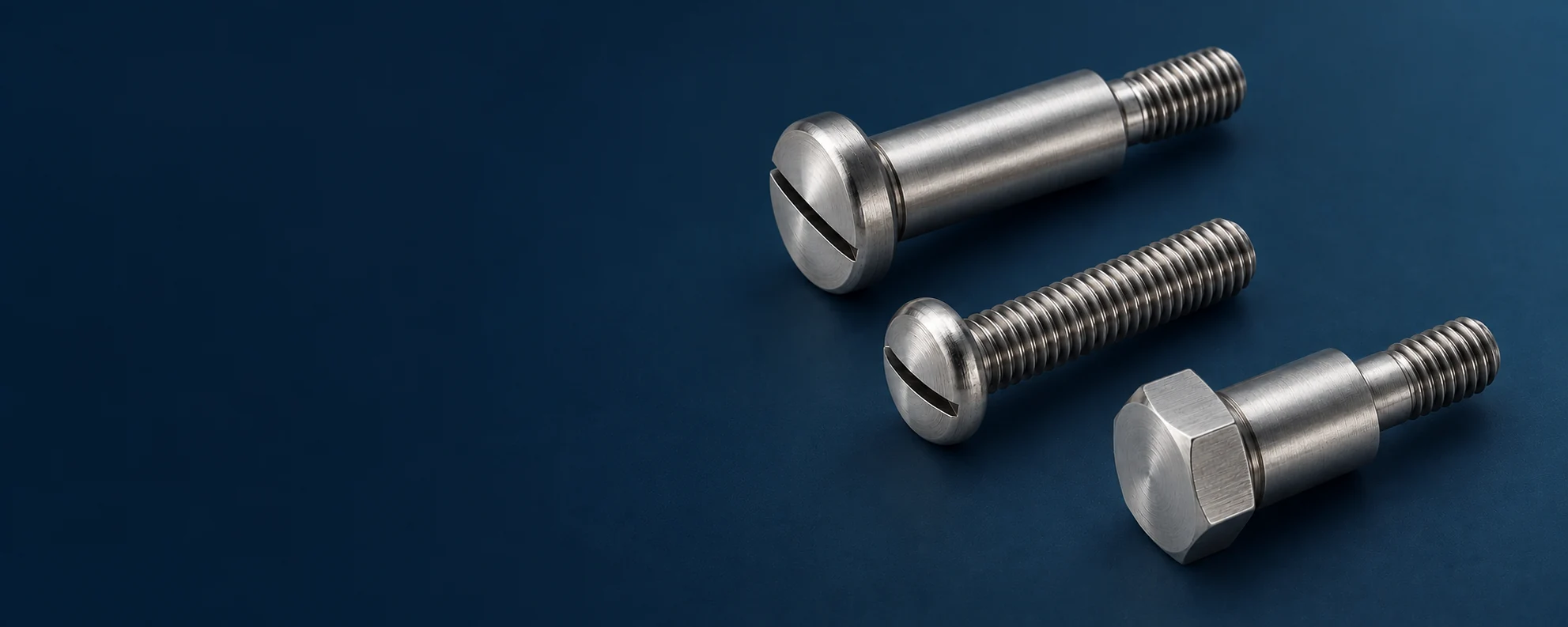
We machine custom screws and shoulder screws to your drawing, with the thread, head and mating geometry defined for the assembly.
We combine specified threads with custom lengths, shoulders and head geometry when a catalogue screw does not fit the assembly.
Our made-to-drawing machine screws connect tapped holes or mating nuts. Head diameter, drive access and threaded length follow the available assembly space.
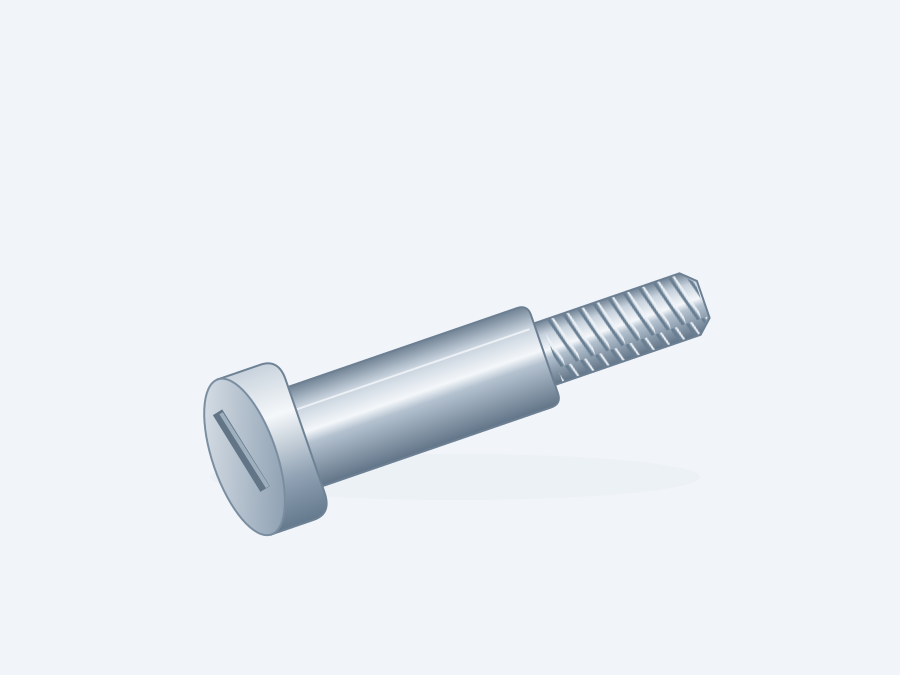
A smooth shoulder between the head and thread provides a defined diameter and spacing length. These features matter where a component pivots, slides or sits at a set distance.
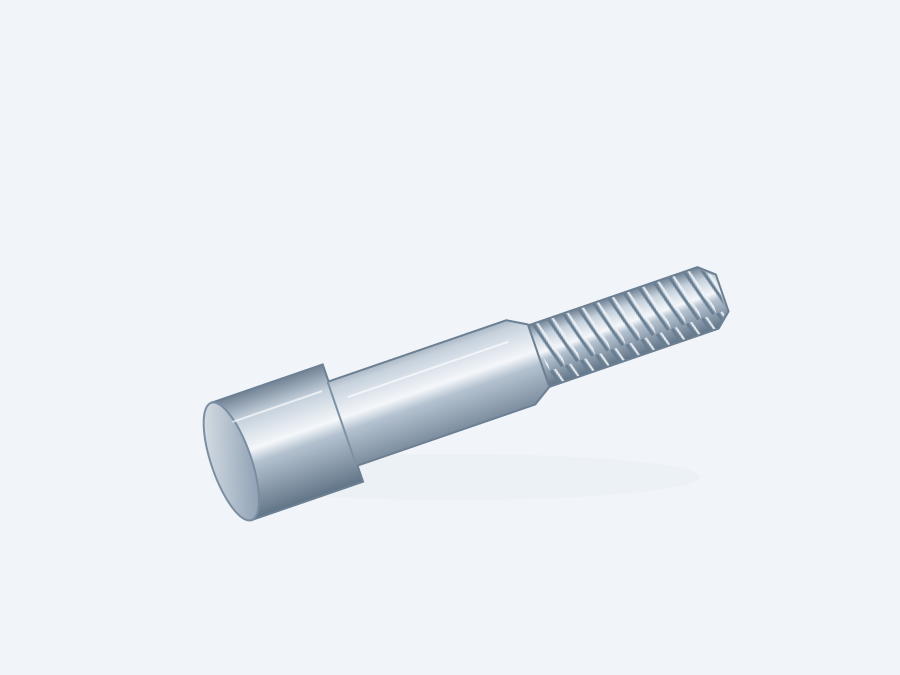
Turned pins and studs can combine threaded ends with steps, grooves or wrench flats. They are separate component types for designs that do not need a conventional screw head.
The thread secures the joint; the head, shoulder and seating face control how the screw locates and clamps the mating parts.
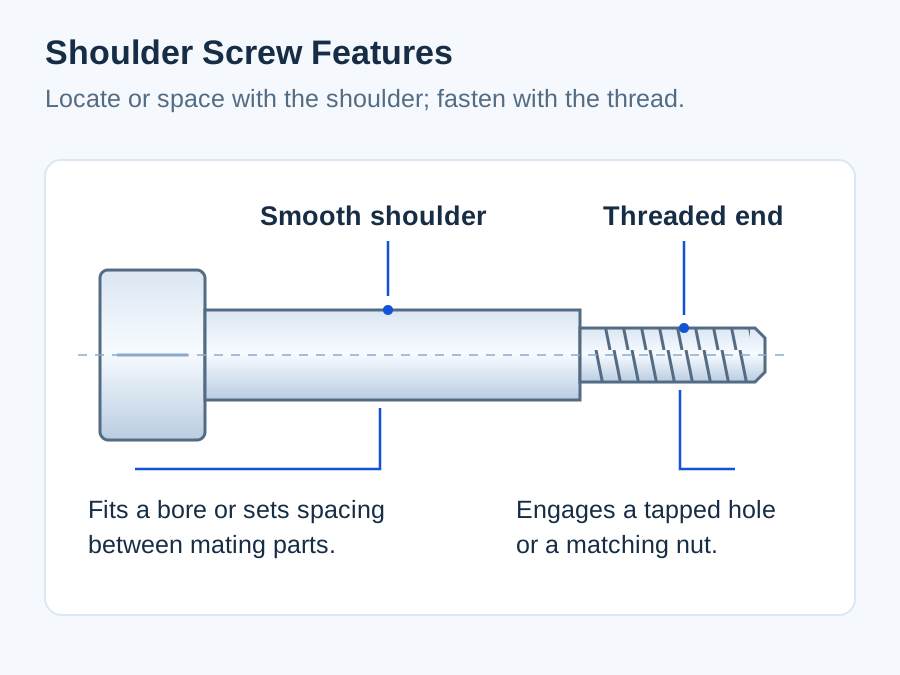
Head diameter and height affect access inside a recess or beside a cover. The seating face, underhead radius and drive dimensions also need room to work without interfering with the mating part.
A shoulder can locate a mating part or provide a bearing surface. Its diameter controls the fit; its length controls clearance and clamping at the seating face.
We use the specified alloy and material condition. Heat treatment, coating and finished-fastener strength requirements form part of the agreed manufacturing scope.
Grade and heat-treatment condition influence strength, hardness and machining.
Exact grade, required condition and any coating specification.
Corrosion performance and strength depend on the alloy, condition and service environment.
Grade, condition and any specified passivation or mechanical tests.
An option for designs requiring a specified copper alloy and its electrical or corrosion properties.
Alloy designation and any restrictions on composition or surface treatment.
Used where the design calls for its combination of mass and corrosion properties.
Exact grade, material specification and surface requirements.
The drawing ties each mating feature to its specification and acceptance condition. We use it to plan machining and dimensional checks.
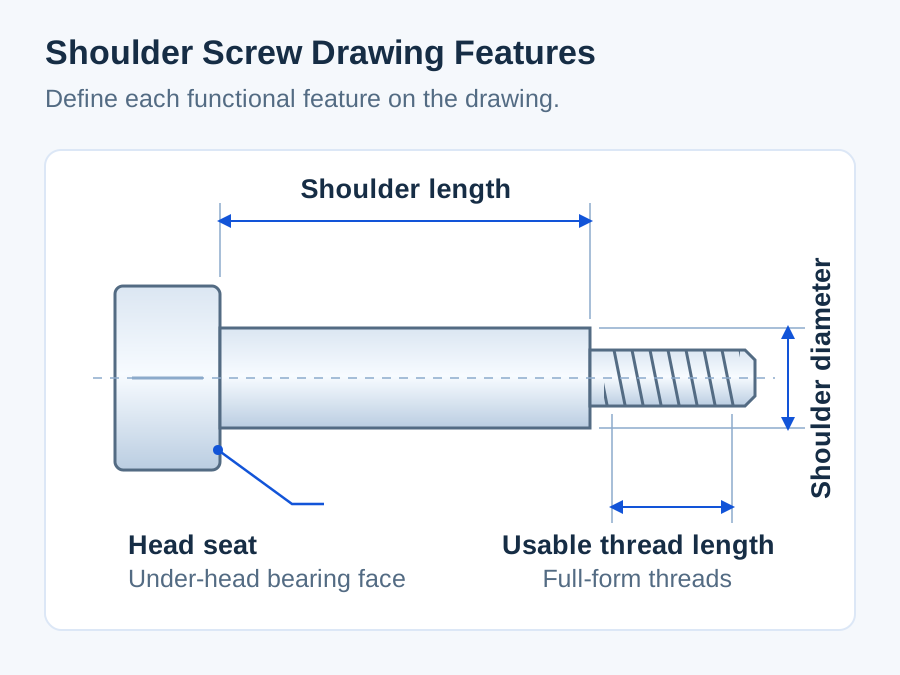
| Feature | Drawing specification | Interface / check |
|---|---|---|
| Thread | System, diameter, pitch and class | Mating thread and specified gauge |
| Threaded length | Usable length, runout and relief | Engagement and end clearance |
| Shoulder | Diameter, length and datum | Mating fit and axial clearance |
| Head and drive | Diameter, height and drive geometry | Tool access and seating contact |
| Finished condition | Material condition, coating and masking | Final dimensions and specified records |
Our quotation identifies the machining, secondary operations, finishing and delivery records included for the part.
We turn the main diameters, shoulders and threaded features. Head geometry, slots, flats and cross-holes determine the secondary machining and tool access.
We plan the specified heat treatment or coating around the final thread and mating dimensions. The quote identifies the treatment and final-condition checks included.
Part number, drawing revision and batch identification keep the delivery linked to its records. Packaging protects threads and seating faces during handling.
We base the inspection plan on the thread callout, mating dimensions and finished condition shown on the drawing.
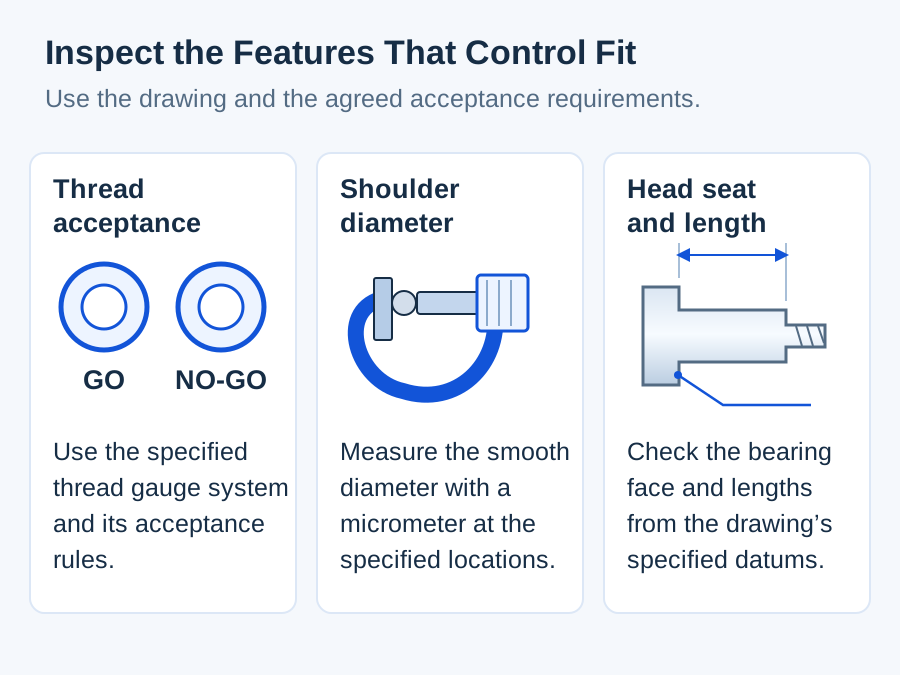
Thread-gauge checks relate to the specified thread system and class. Shoulder diameter, head dimensions and seating faces are checked against their drawing requirements.
The quotation identifies the material documents and dimensional records included. Hardness, tensile or coating tests require a separately agreed standard, sampling plan and acceptance criteria.
This service covers custom CNC-machined parts made to an agreed drawing. It is intended for dimensions or features that need a custom manufacturing route, rather than an online catalogue of stocked screws.
Yes. Include the complete callout and applicable standard so the thread form, pitch and fit can be reviewed. Any nonstandard thread or unusual relief needs explicit dimensions rather than a nominal diameter alone.
An existing part can help explain the design. A drawing or agreed specification is still needed for manufacture: wear, material condition and the original tolerances may not be recoverable from the sample alone.
No. Material grade and finished-fastener properties are different requirements. If a property class or mechanical test is essential, include the applicable specification and acceptance criteria for review with the design and manufacturing route.
Provide the drawing, quantity, material and required finish, plus any inspection documents or approval steps. State the requested delivery date. Pricing and timing follow review of the part and the work included in the order.
Share the drawing and tell us where the screw fits in your assembly. We can discuss the machining scope, finished condition and inspection requirements.